

Ripplefold™
Fabricated Drapery
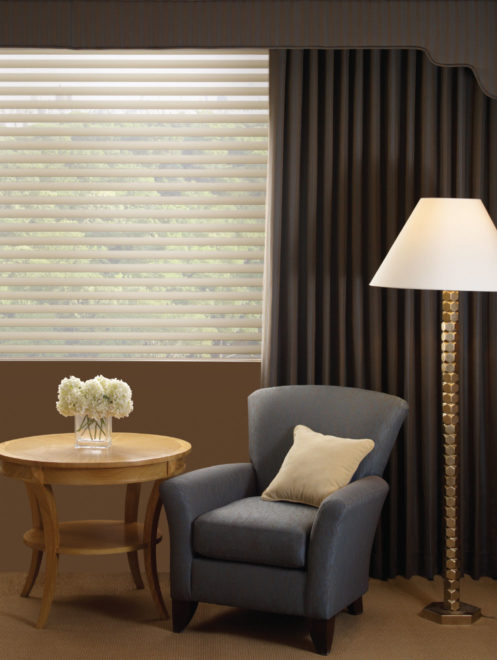
Ripplefold™ is the trademark name for roll-pleat drapery fabrication. Ripplefold™ style drapery results in a clean, elegant appearance from both sides. An excellent choice for public spaces or other areas where complete blackout is not required.
Recommended applications
-
 Pinch Pleat
 -
 Ripplefold
 -
 Roman
Roman -
 Valance
Key Features
- Drapery panels attach via a snap tape to the track, creating smooth, evenly spaced curves in the fabric
- Drapery has hemmed flat panels allowing for easy care and cleaning
- Four lining options including 2-pass and 3-pass blackout
- Drapery available in a center-open, off-center open, one-way draw, or stationary
- Motorization available
- All specified fabrics must meet NFPA 701 fire rating requirements
- The Infinity Fabrication Collection offers ten fabric options including four sheers
- Customers may also choose to supply their own fabric or Hunter Douglas Hospitality can assist with procurement

Fabrication Details
- Manufactured to Kirsch fabrication specification chart using 4.25″ snap tape spacing
- Drapery hemmed as flat panels
- Fullness – determined by the spacing of the carriers, 100% standard, 60%, 80%, or 120% upon request.
- Selvage edges are removed or clipped before fabrication as necessary
- Multiple widths joined using overlocked serged seams and safety stitch
- Bottom hem: 4.0″ double-folded
- Side hems: 1.5″ double-turned folds
- 0.25 oz. corner square lead weights
- Blindstitched using thread to complement fabric color
- Standard hem allowance is double-turn at the top and double turn at the bottom, approximately 12″
- Drapery hangs under the tracking leaving track visible and a slight light gap between track and panels
Lining
- 2-pass blackout — white/gray, ecru/gray
- 3-pass blackout — white/white, white/ecru, ivory/white, ivory/ecru
- Cotton polyester — white/ecru
- Interlining (flannel) — white
- Lining is recommended for all drapery (however, unlined drapery is available upon request)
- Blackout lining is dry clean only and cannot be laundered
Snaps
- Snap tape (sewn into the top hem of the panel) attaches the drapery to the carrier
- Snaps composed of nickel-plated brass to resist corrosion and rust
Hardware
- Cord Draw — can be specified with a tension pulley to hold down cord for safety issues
- Hand Draw — no baton or cord is used, and drapery is drawn by hand making this application excellent for healthcare facilities
- Baton — available in 36″, 48″, and 60″ lengths
- ADA Baton — 3/8″ Fiberglass with a loop
- Motorized Mechanisms and Carriers — supplied per client specification
- Drapery tracks — supplied per client specification and composed of extruded aluminum finished with PPC in white color (standard)
General
All fabrication meets the following requirements:
- Drapery fabricated to size specifications within 0.5″ lengths and 1.0″ widths
- Fabrics pattern-matched according to commercial standards
- Multiple-width drapery is overlock stitched with half-widths placed on the return side of the drapery
- Side hems are blind stitched
- Drapery linings are joined and hemmed by overlocking
- Linings are placed 0.75″ above the bottom of a drapery
- Order as rod length x finished length.
Ripplefold® is a registered trademark of Kirsch
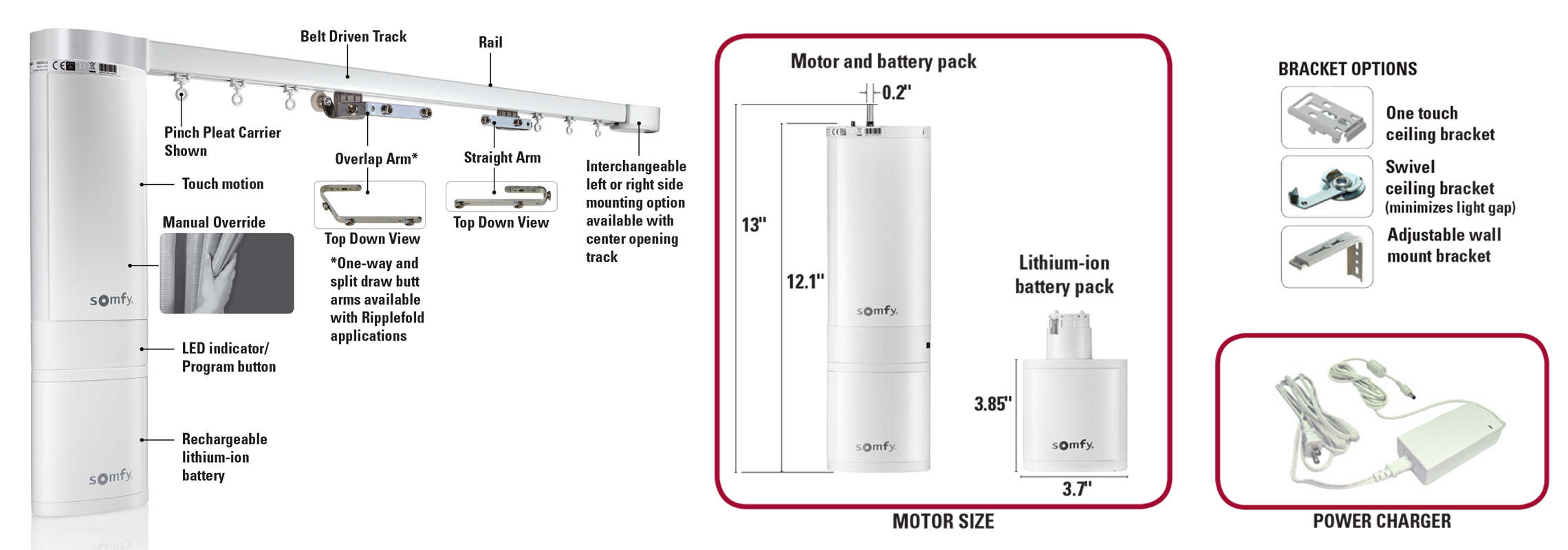
Glydea® ULTRA — Drapery Motor
With one track, two motors and various control modules, Glydea® ULTRA offers a wide range of options for any project requirement.

Irismo™ 45 WireFree RTS — Drapery Motor
Battery operated and compact solution for motorized drapery.
Downloads
- Ripplefold — Info Sheet
- Fabrication Specifications — Catalog
- Infinity Fabrication Collection — Info sheet
- Drapery Track — Info Sheet
- Decorative Drapery Hardware — Info Sheet
- Glydea ULTRA Drapery Motor — Info Sheet
- Irismo 45 Wireless RTS Motor — Info Sheet
- RTS Remote Controls — Info Sheet
- DecoFlex WireFree Wall Switch — Info Sheet
- Drapery — RFQ
- Top Treatment — RFQ
- Measure and Install — RFQ
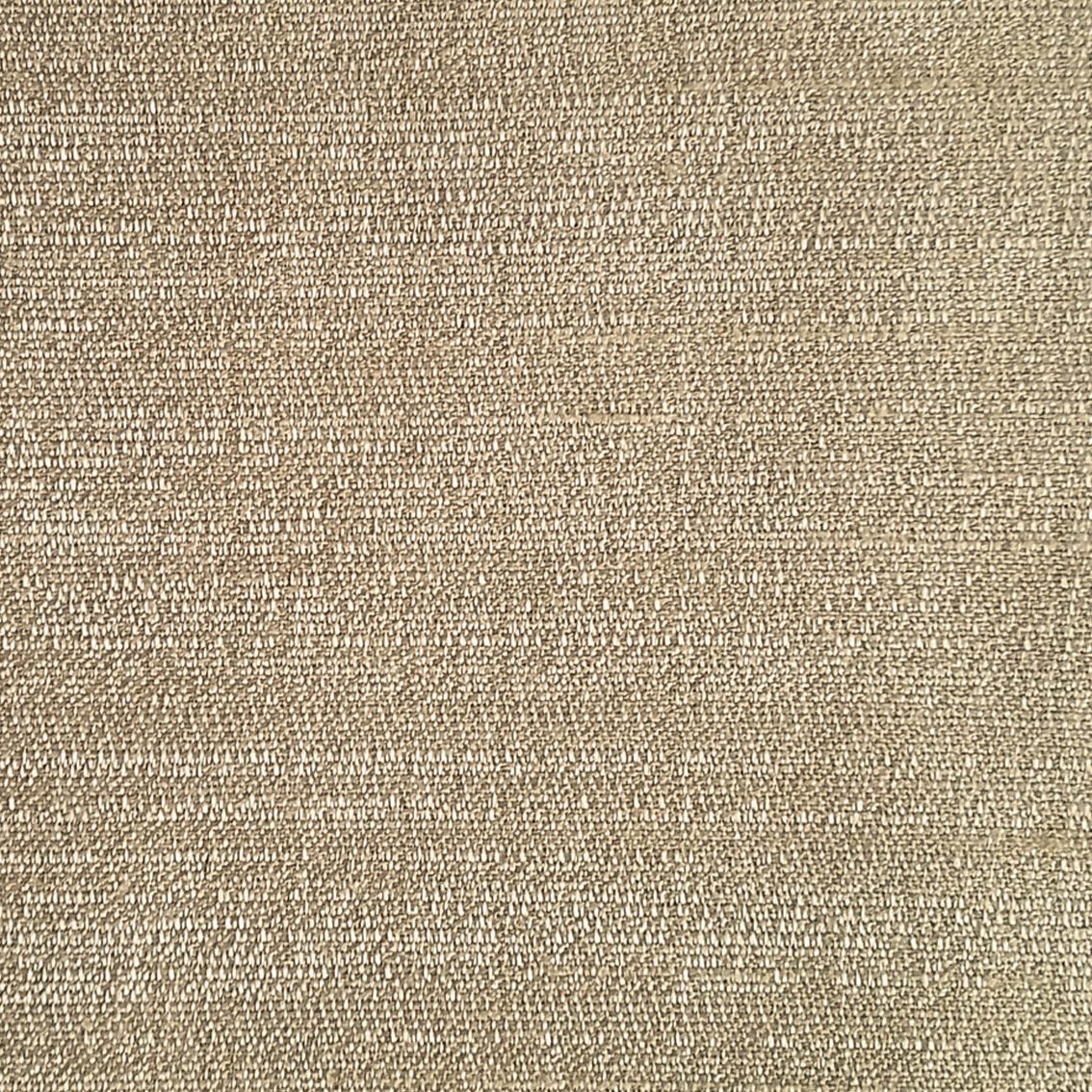
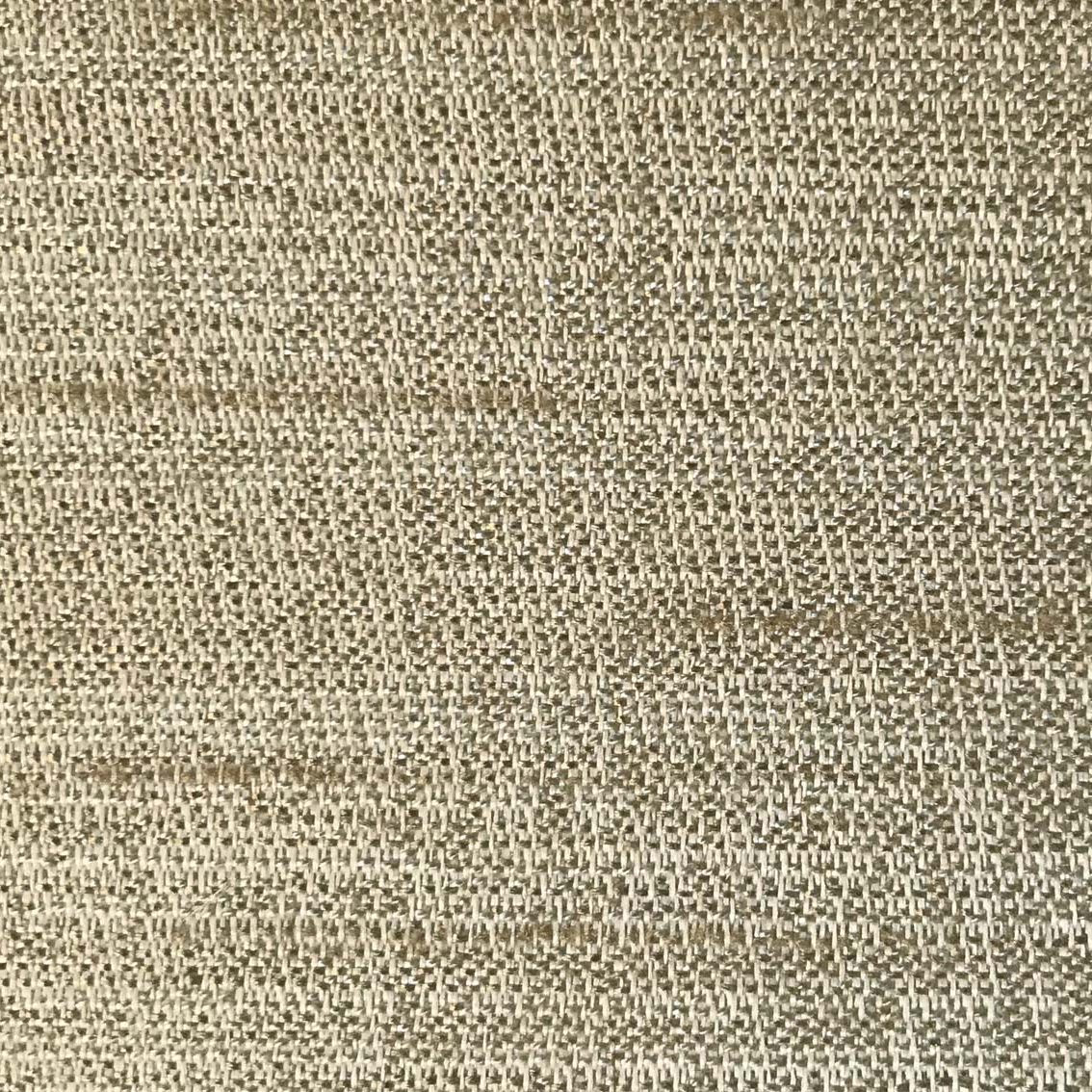
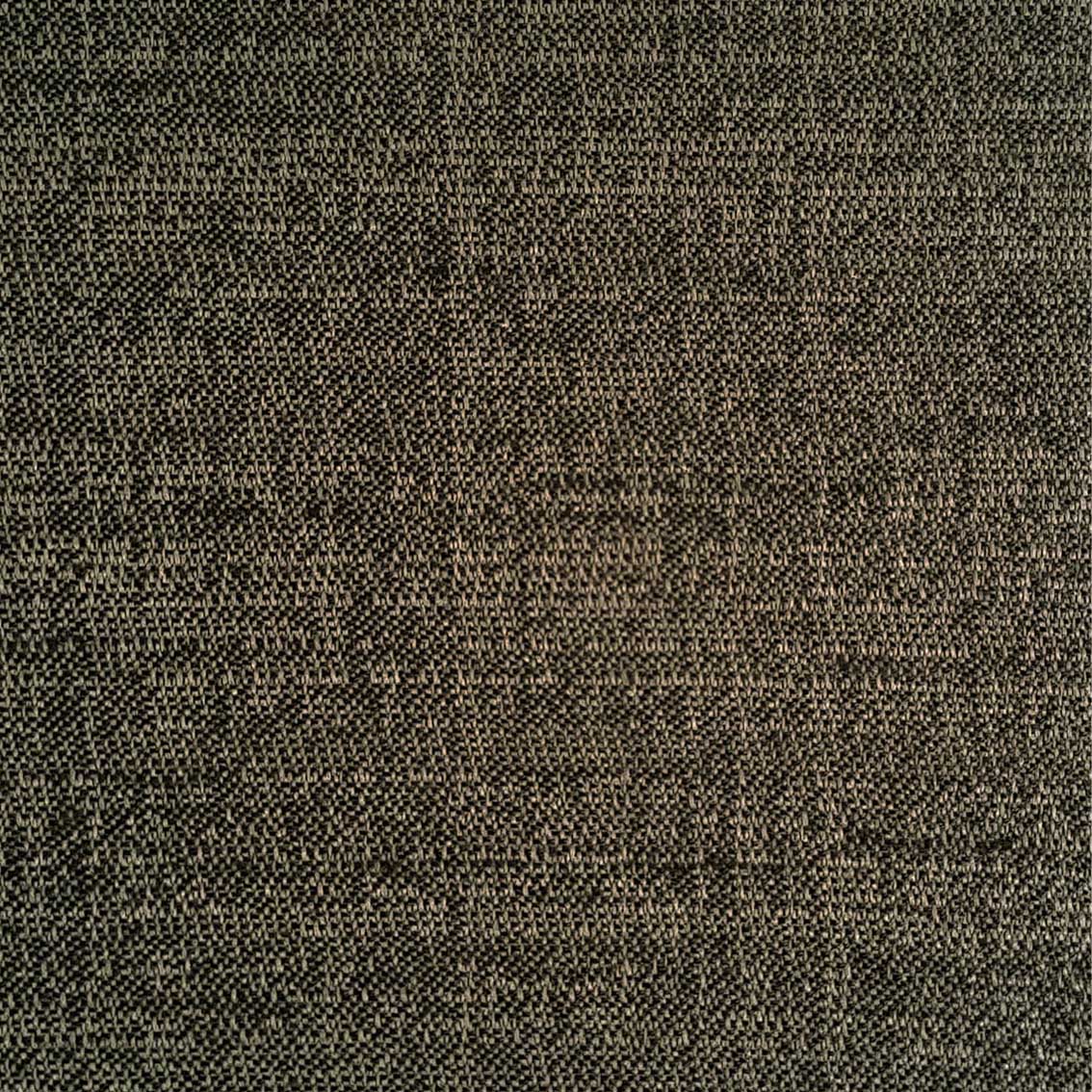
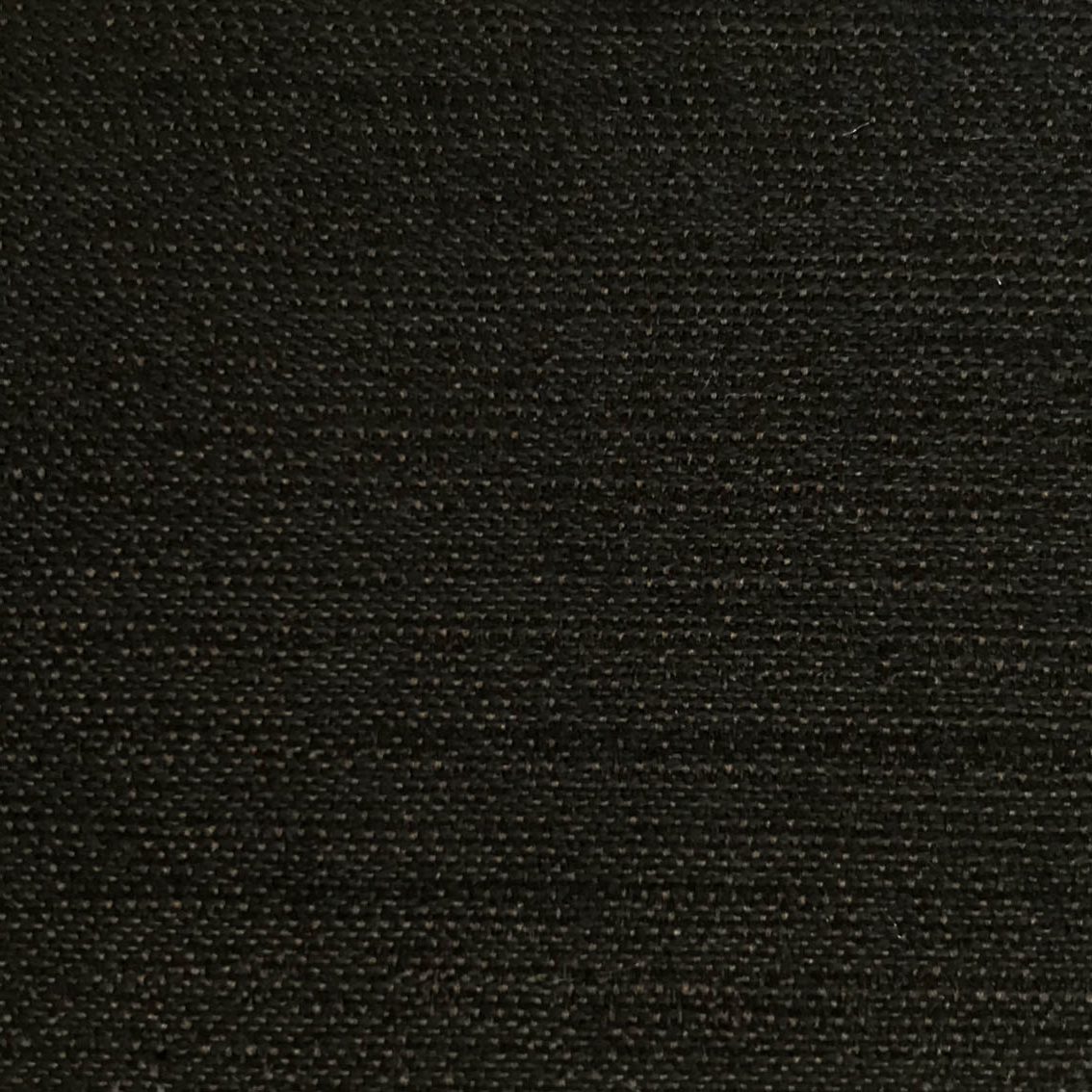
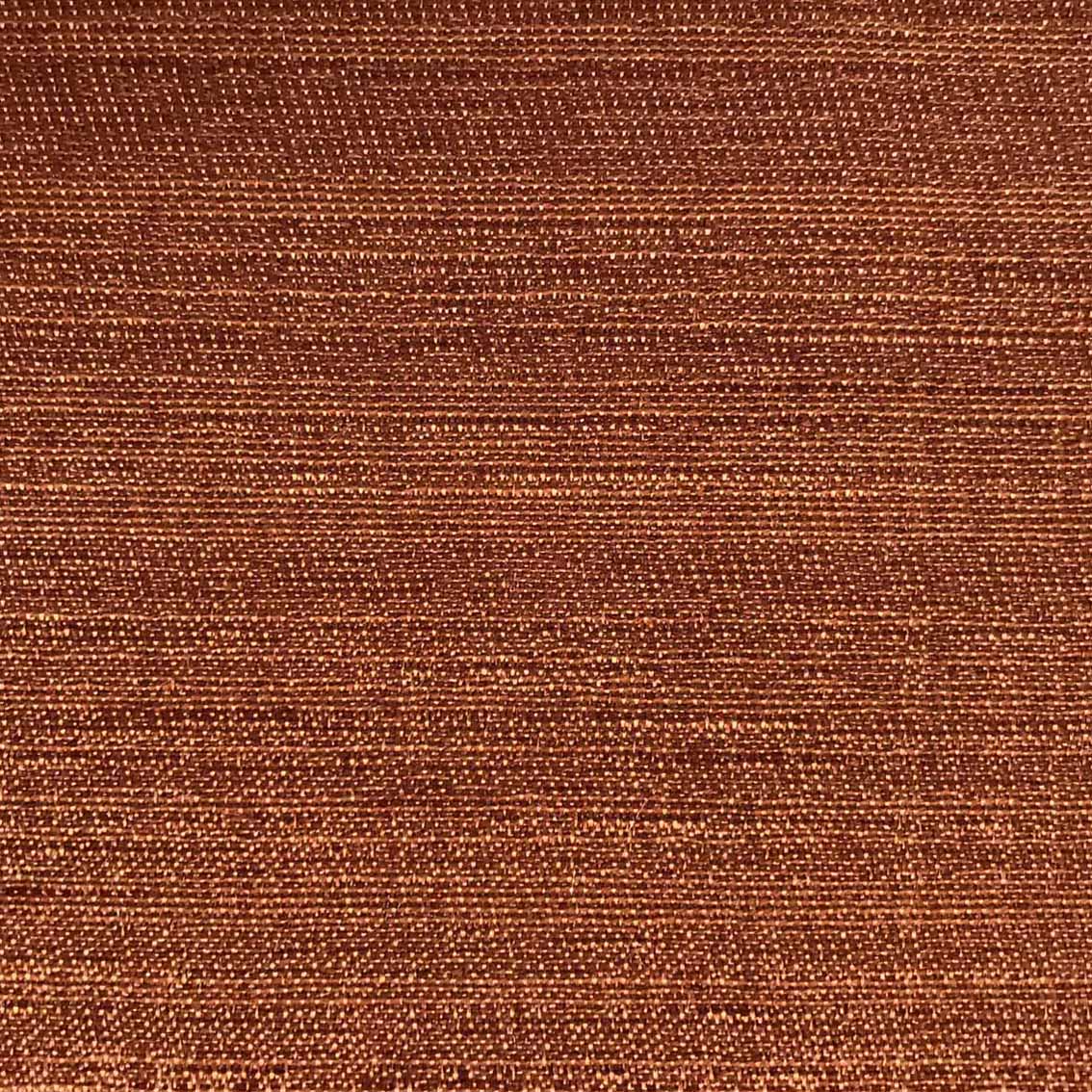
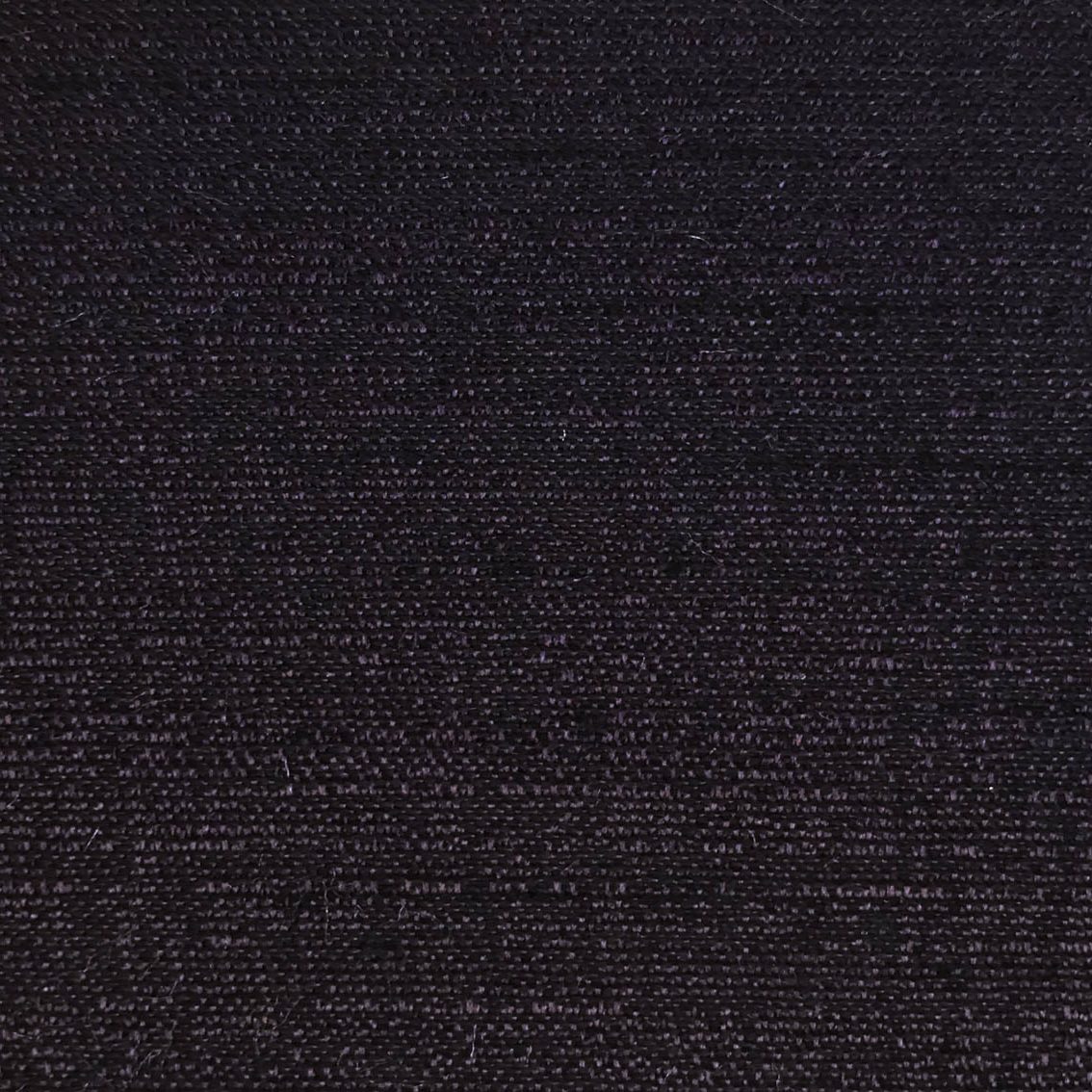
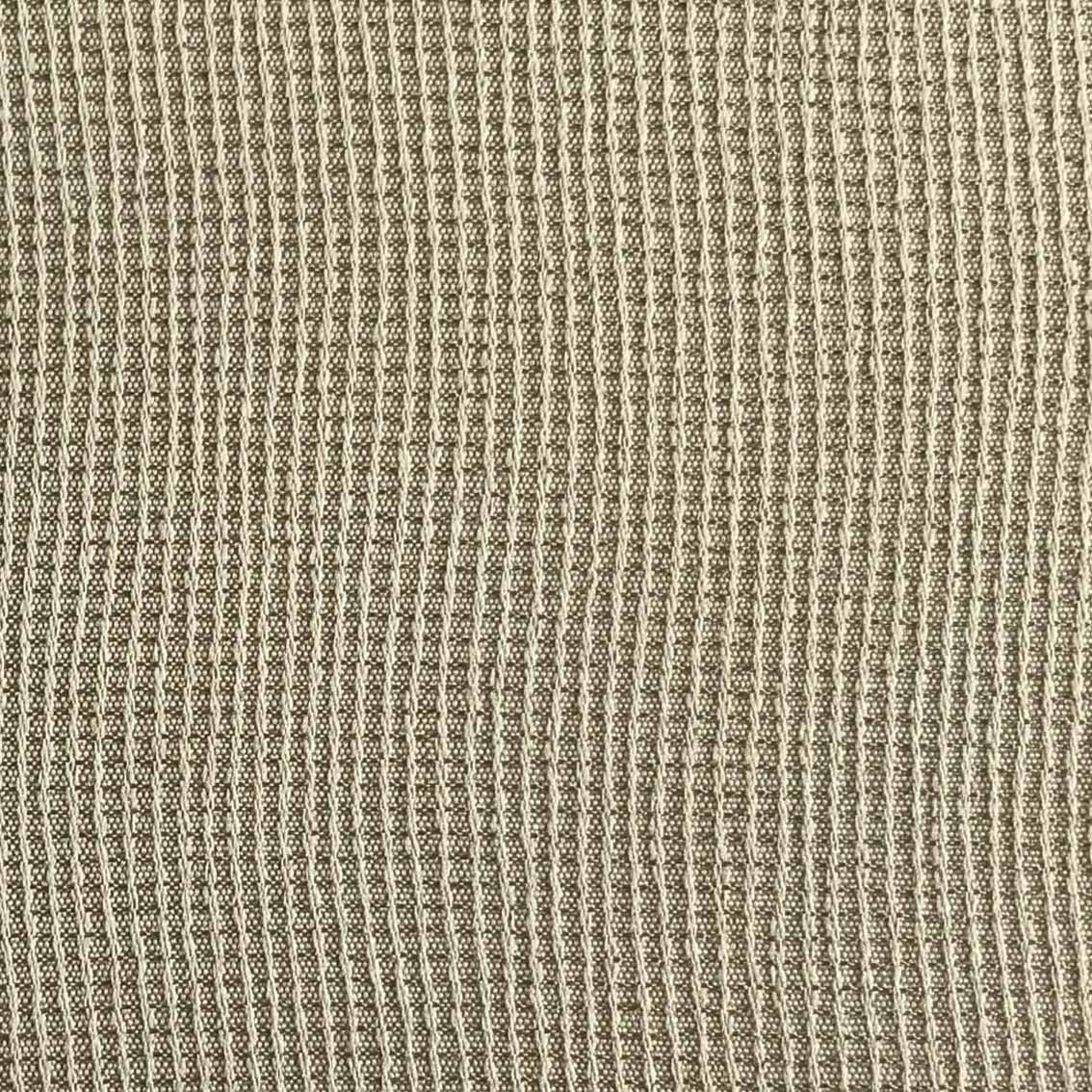
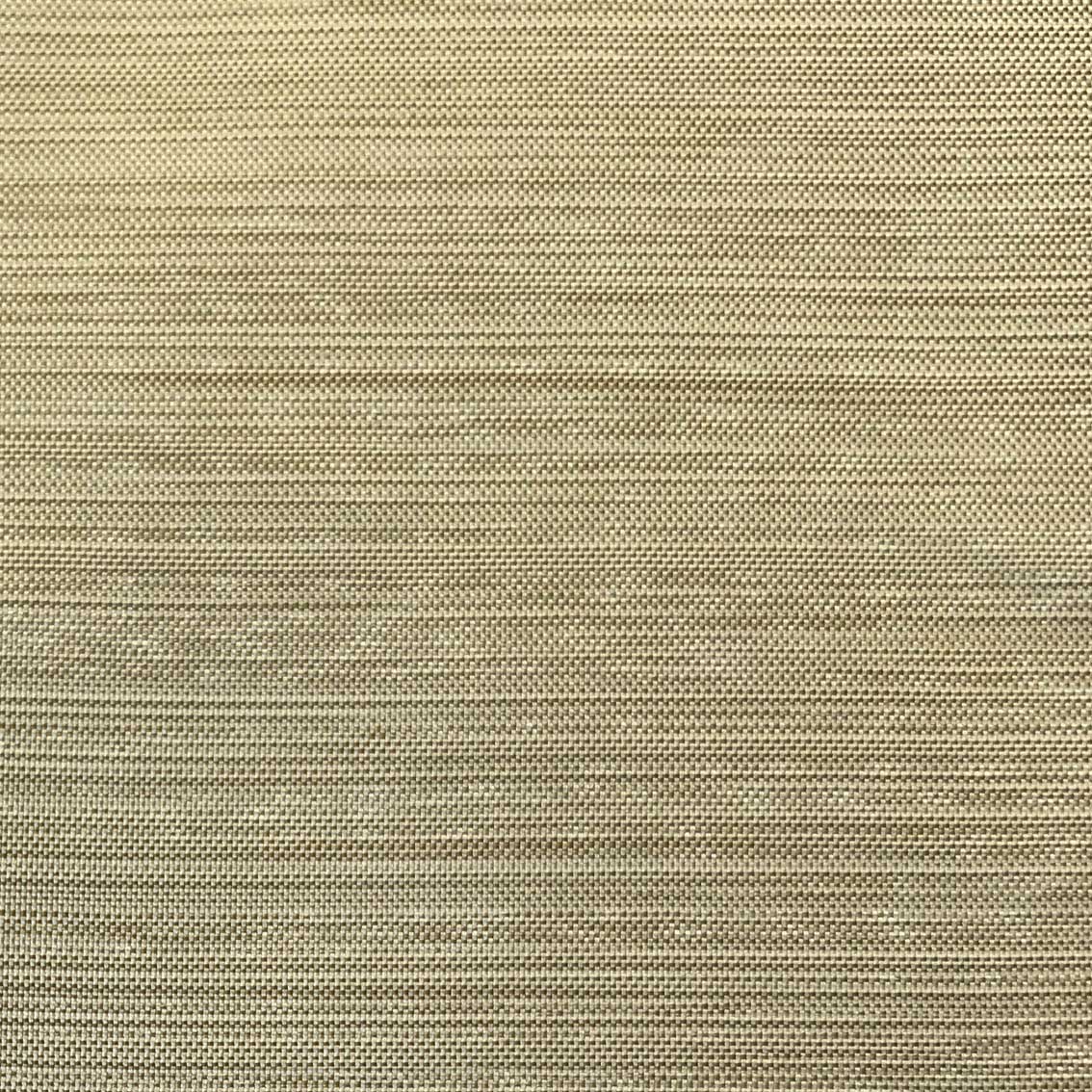
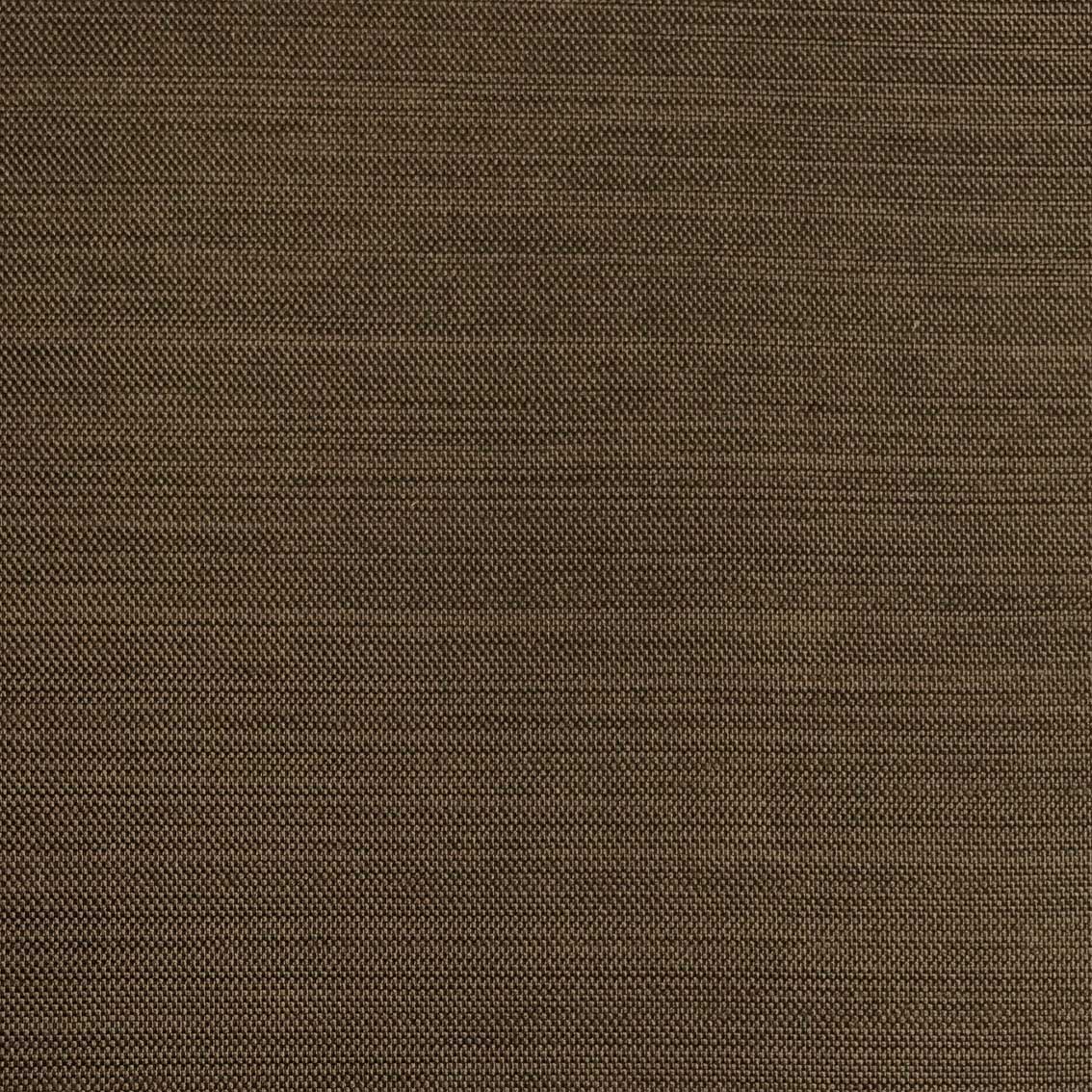
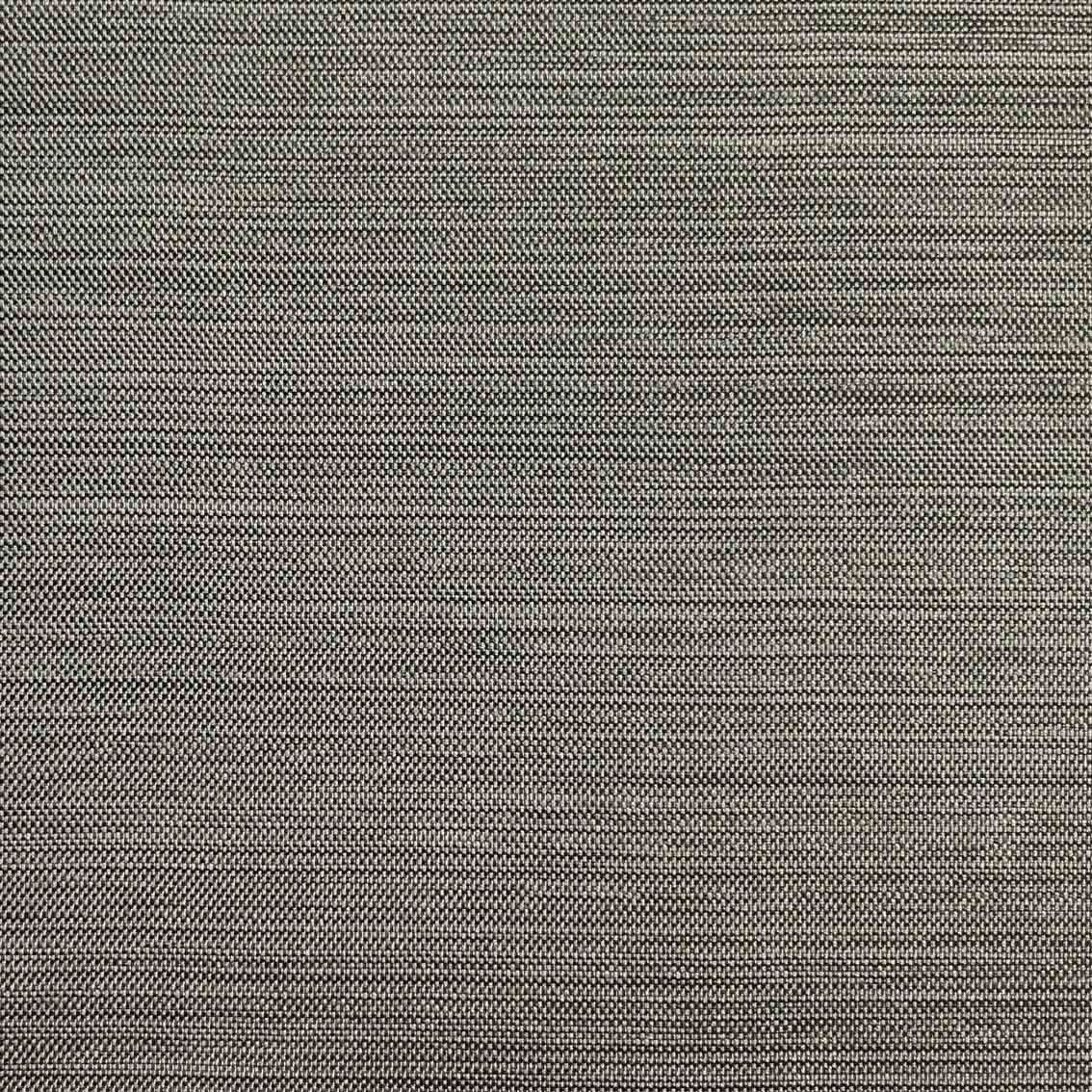
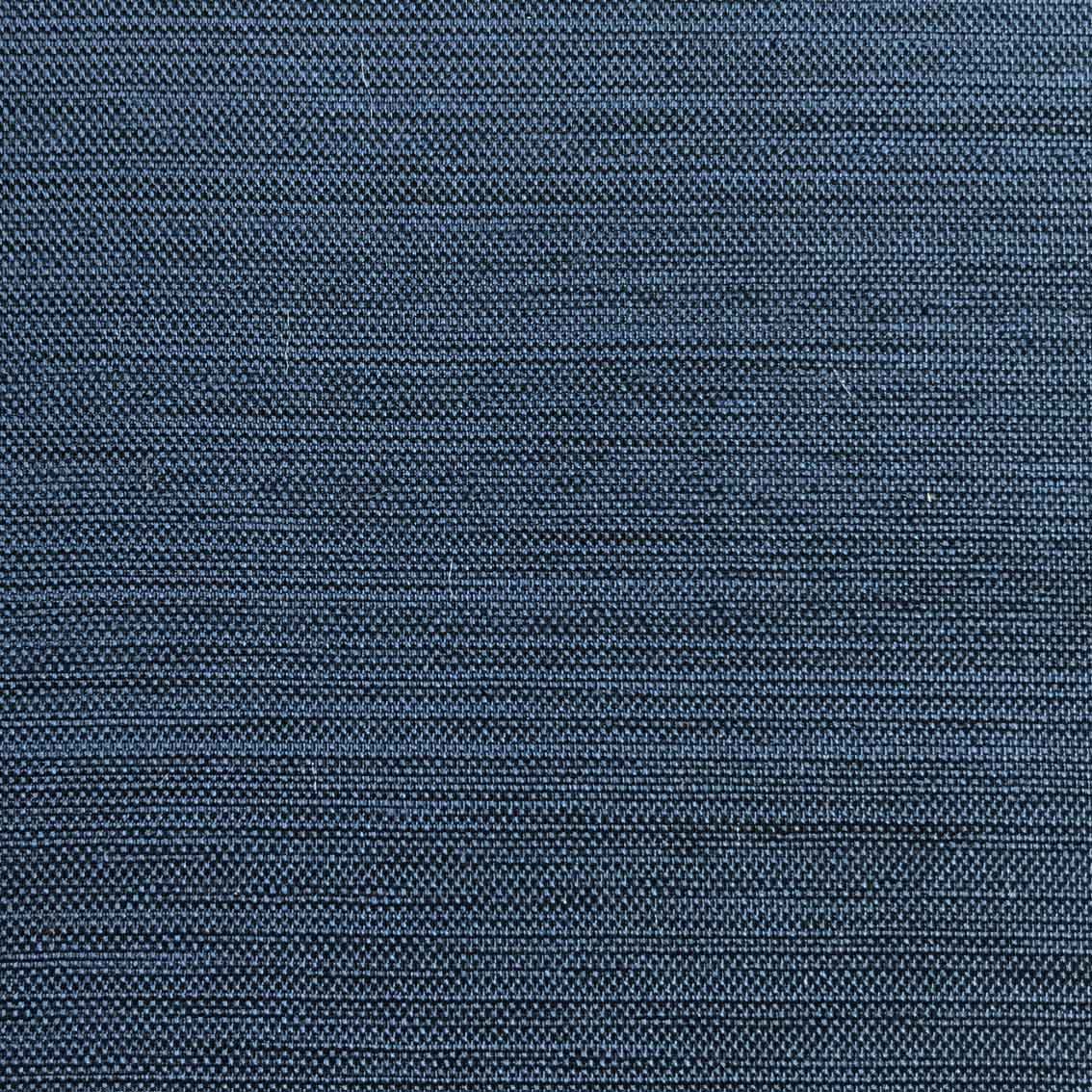
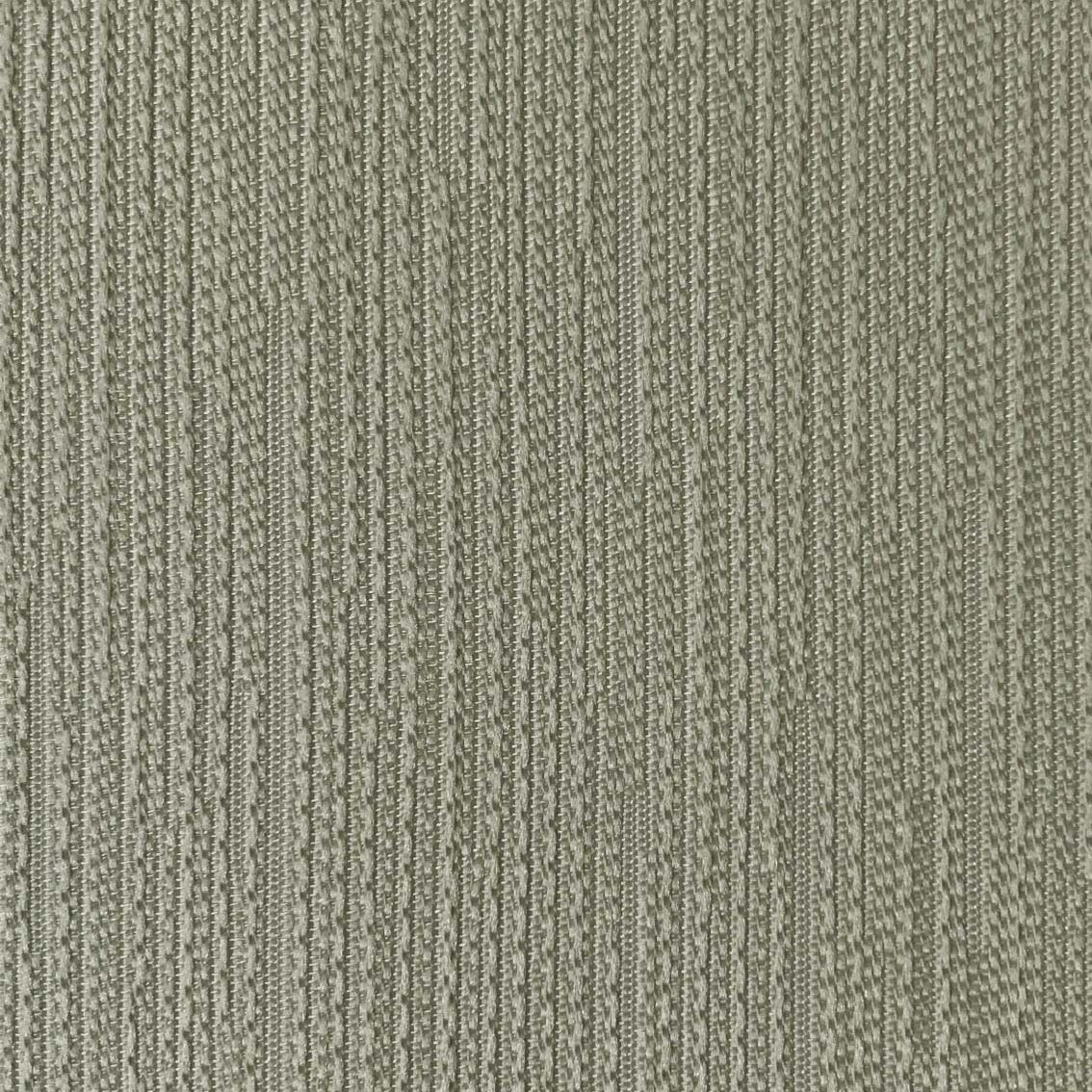
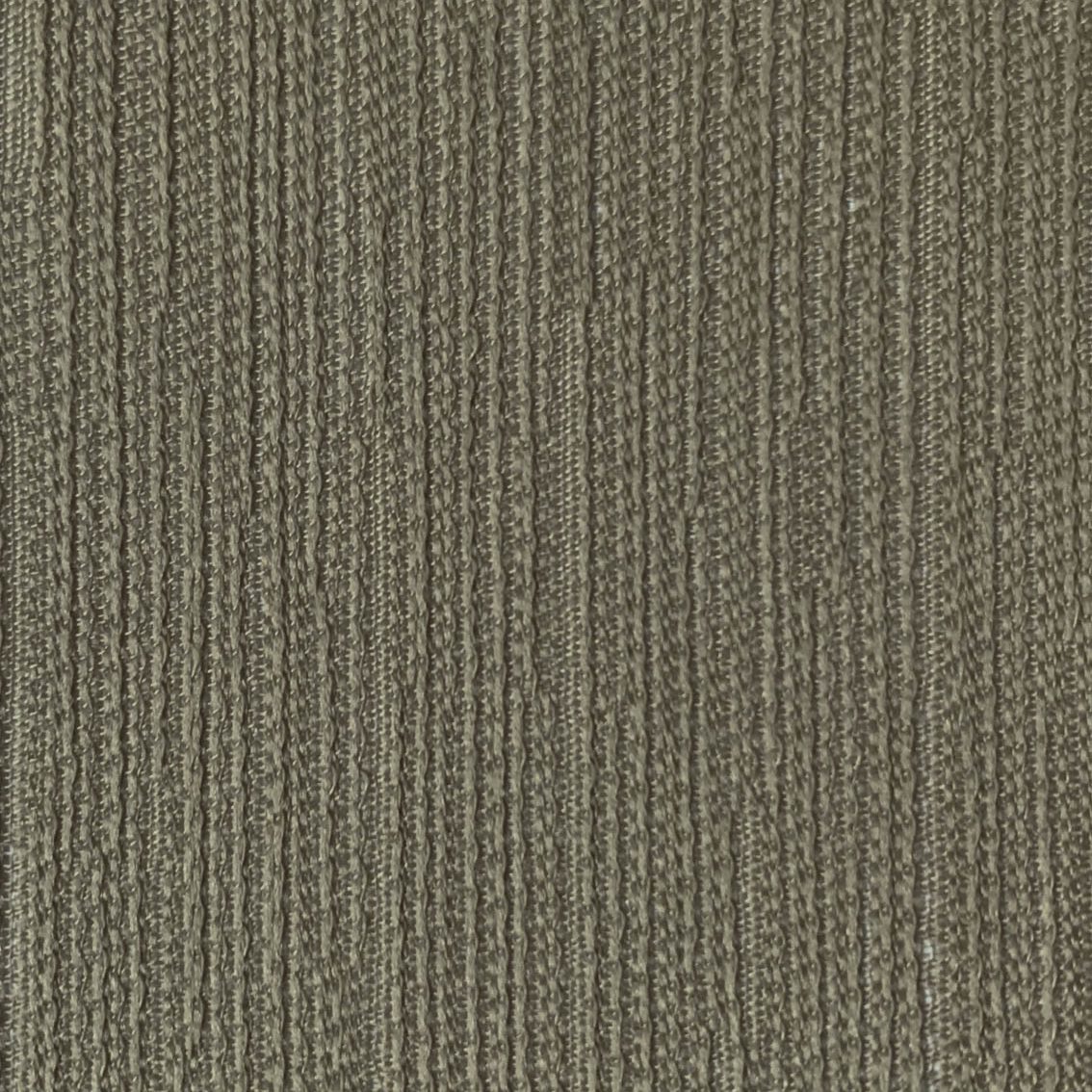
Fabrics and Colorways Explore our fabrication capabilities with the Infinity Fabrication Collection.
Allegro
Drapery and Roman Shades

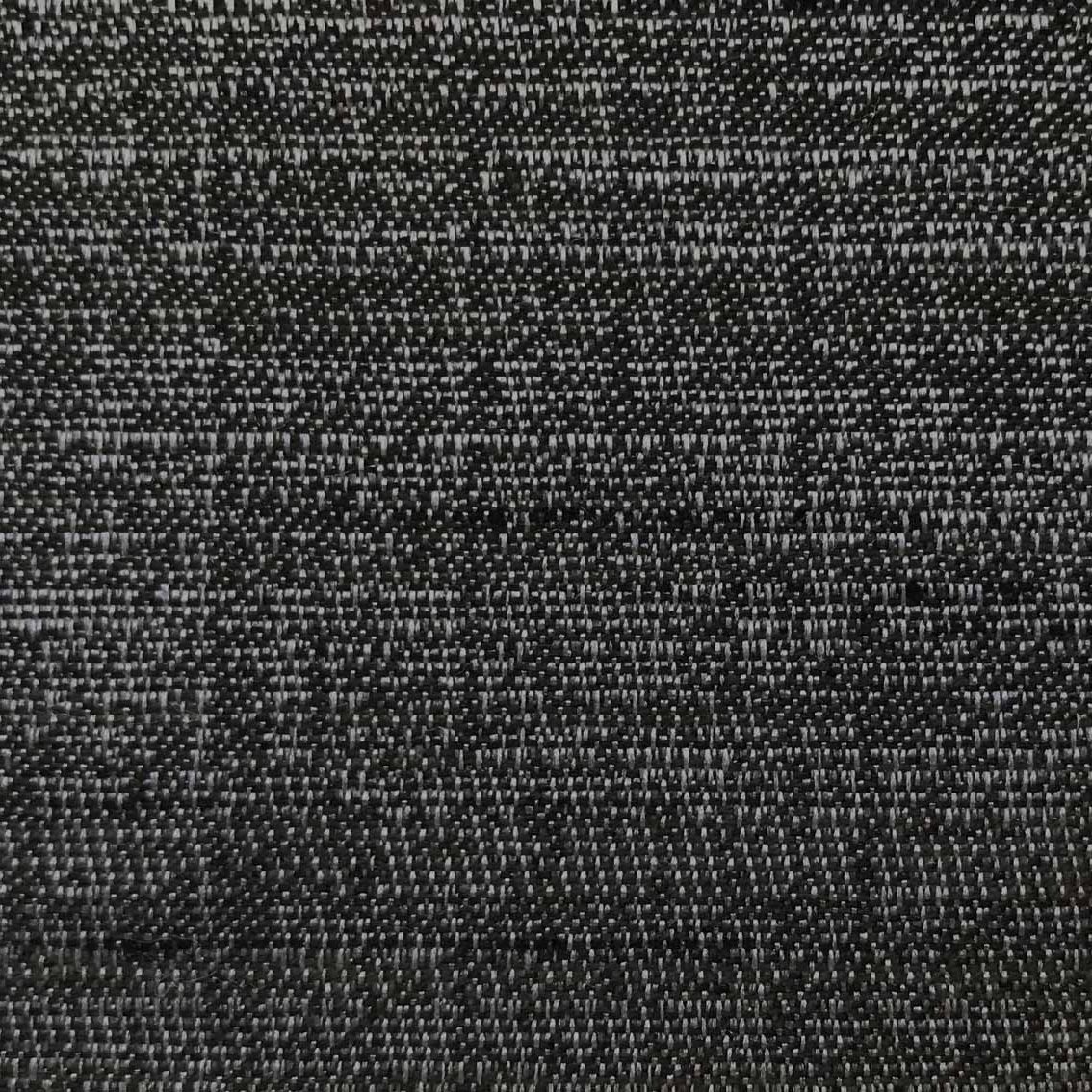

Echo
Drapery and Roman Shades



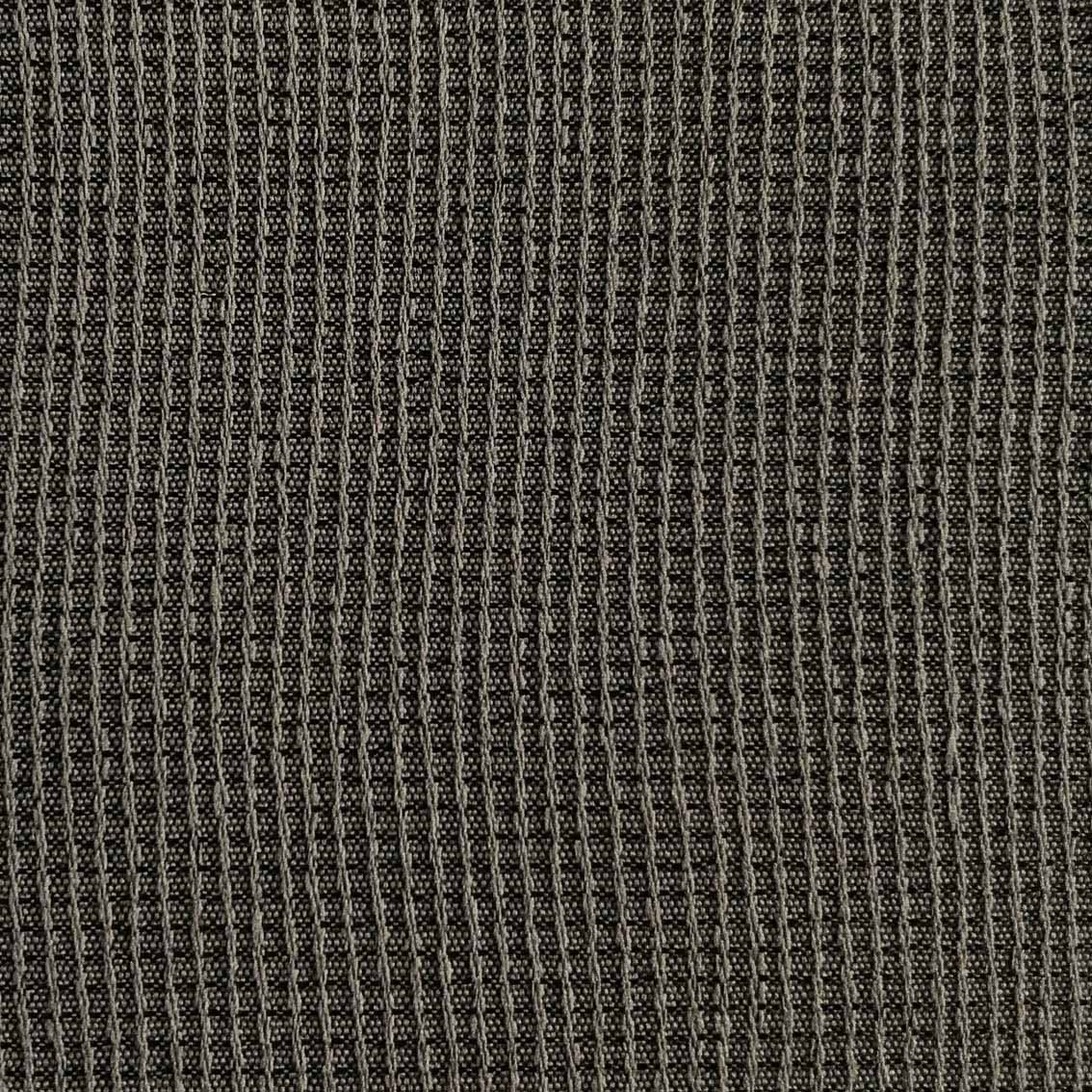

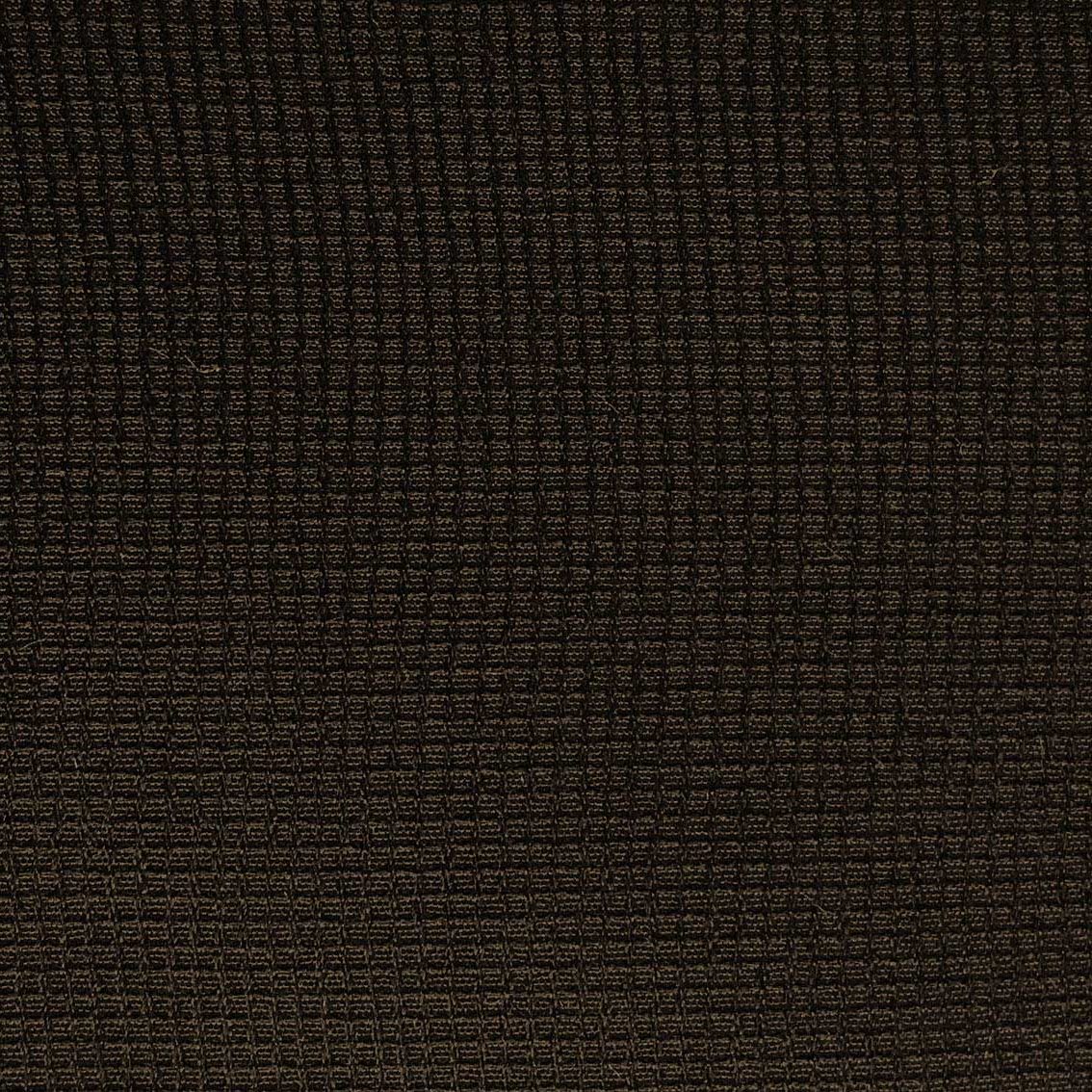
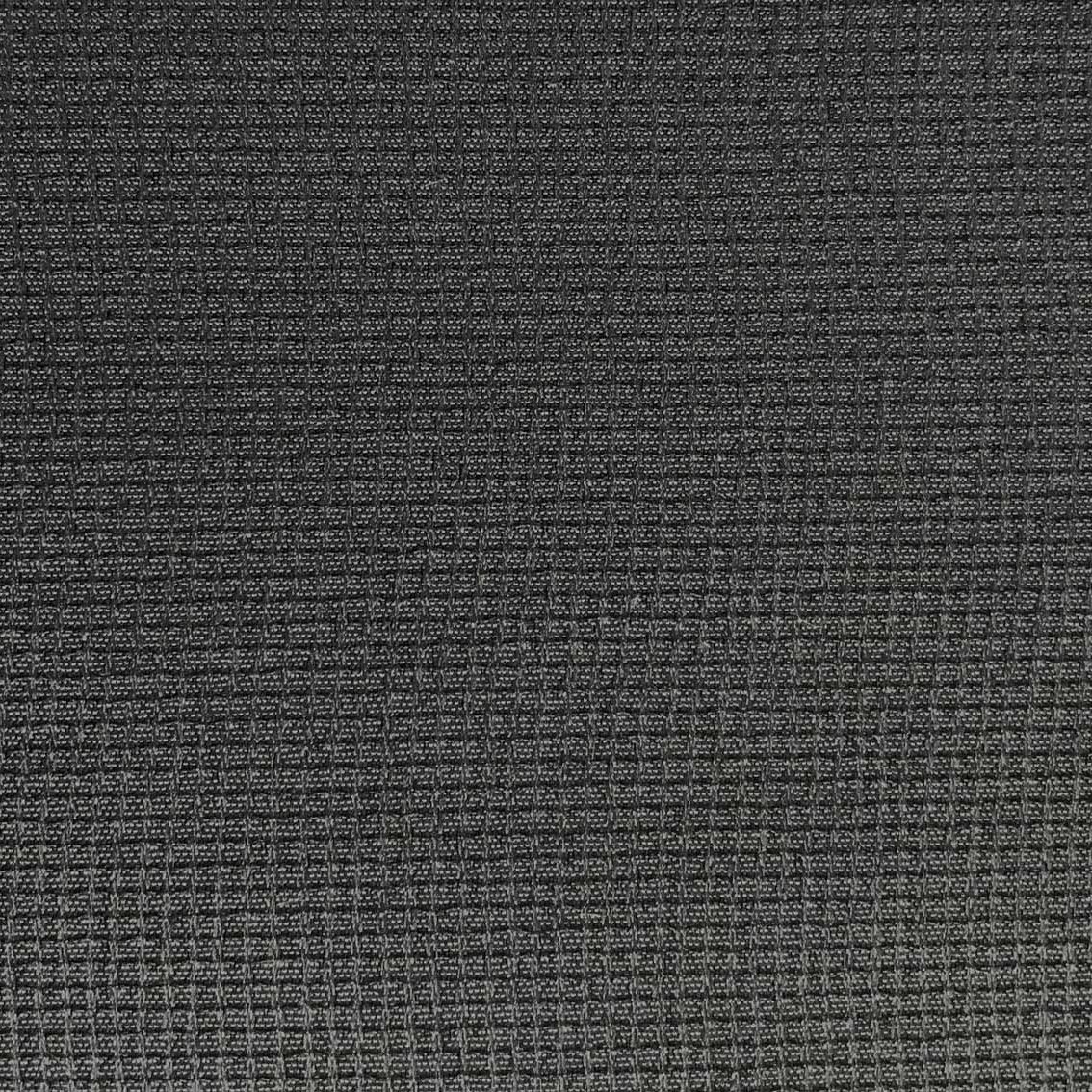
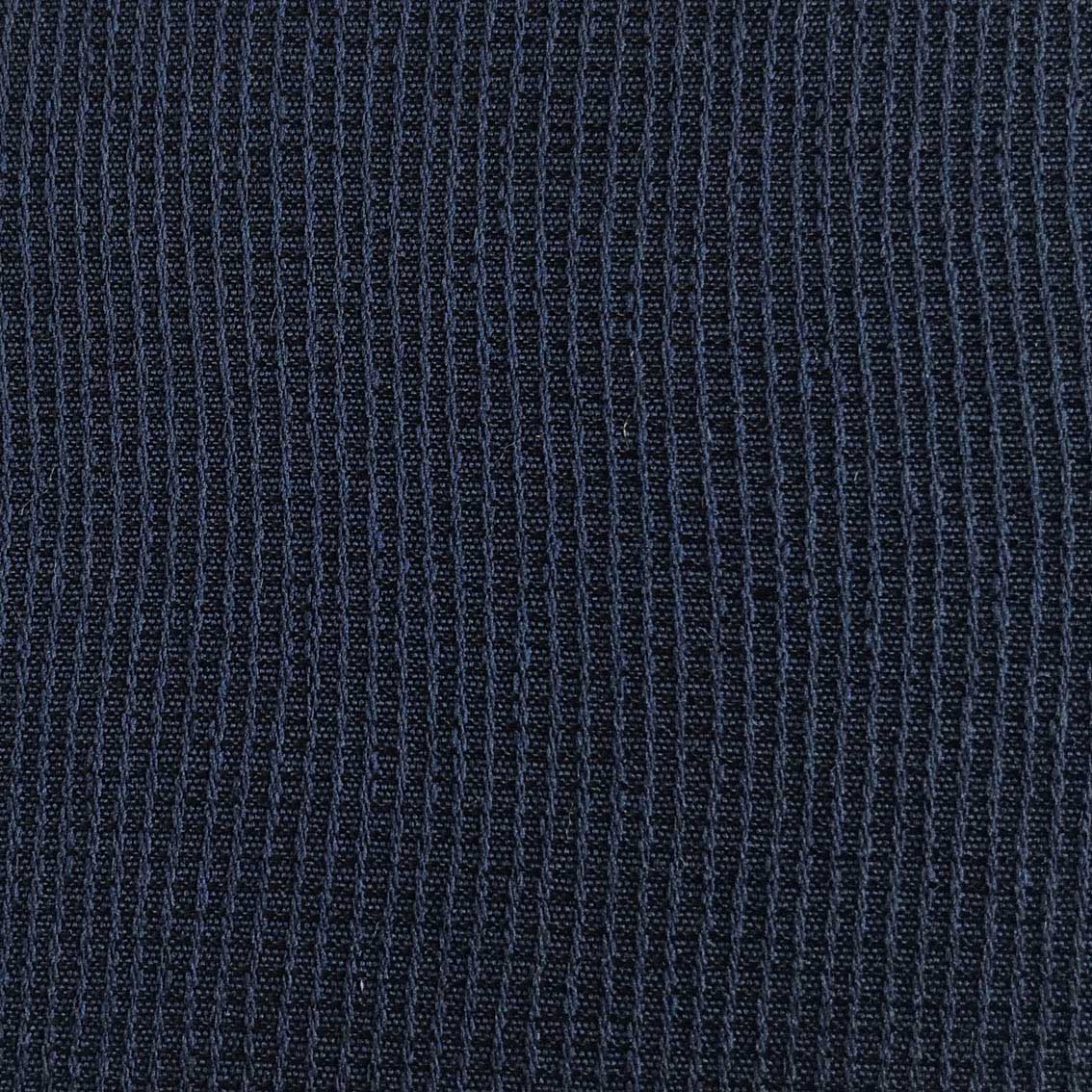
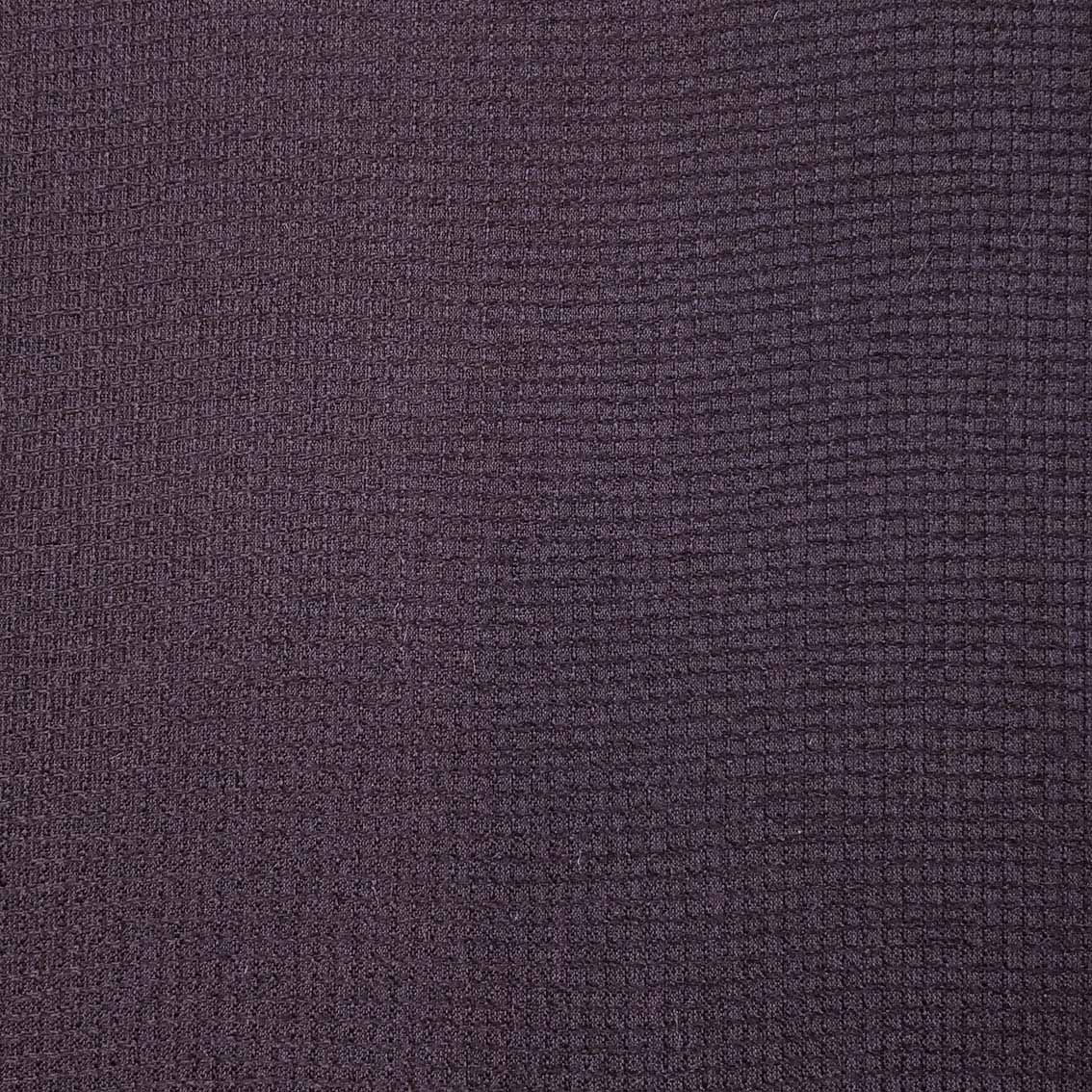
Journey
Drapery and Roman Shades
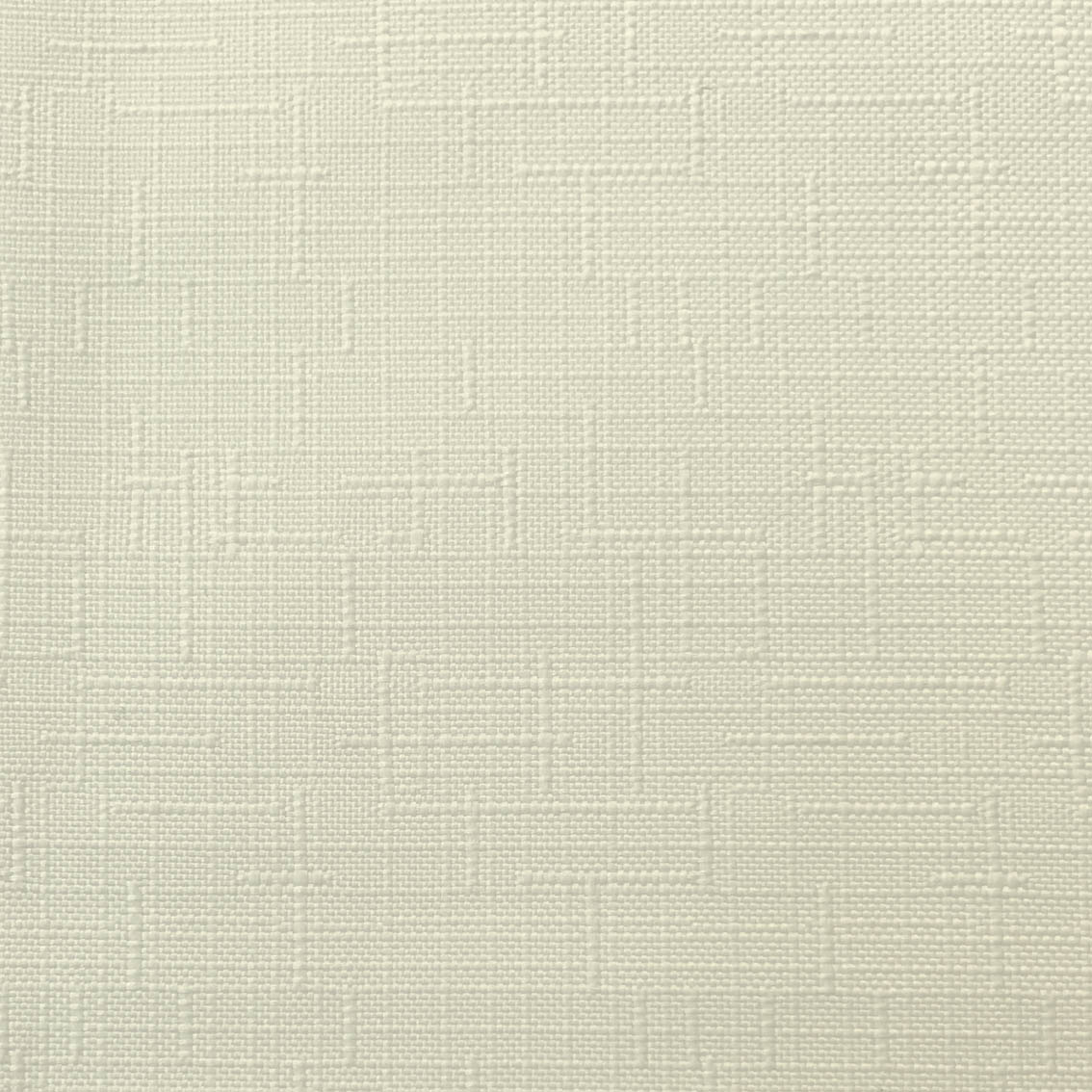

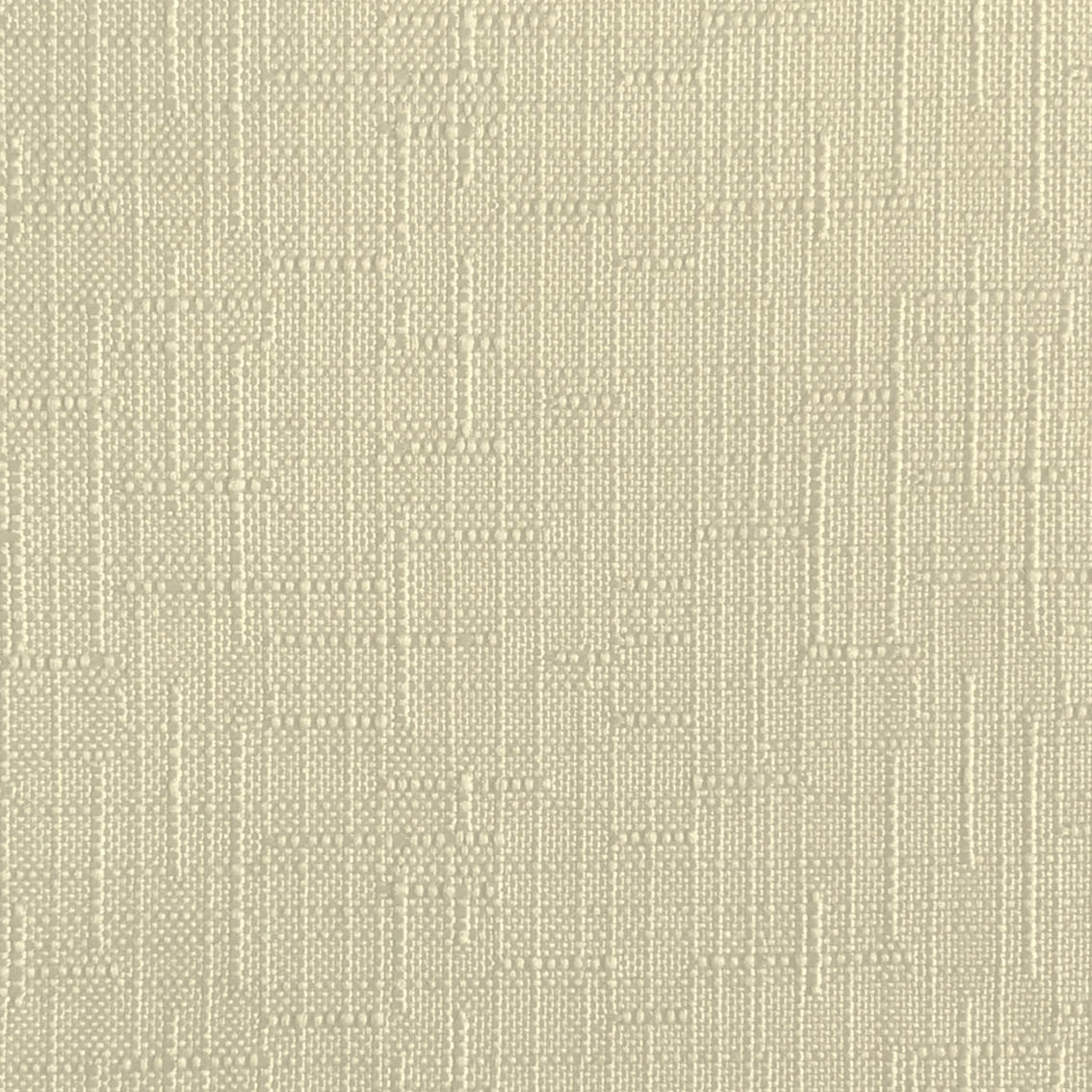
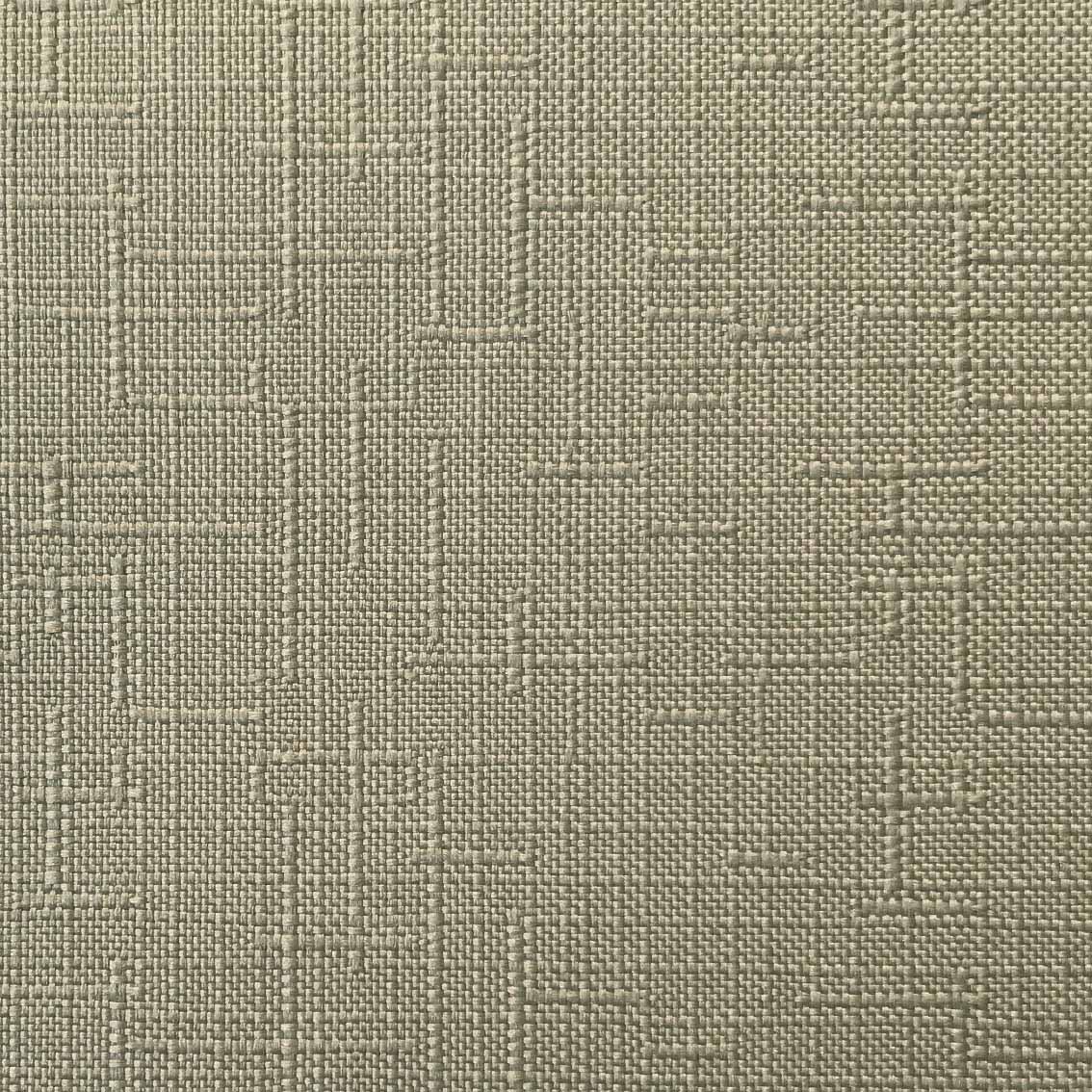

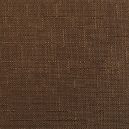
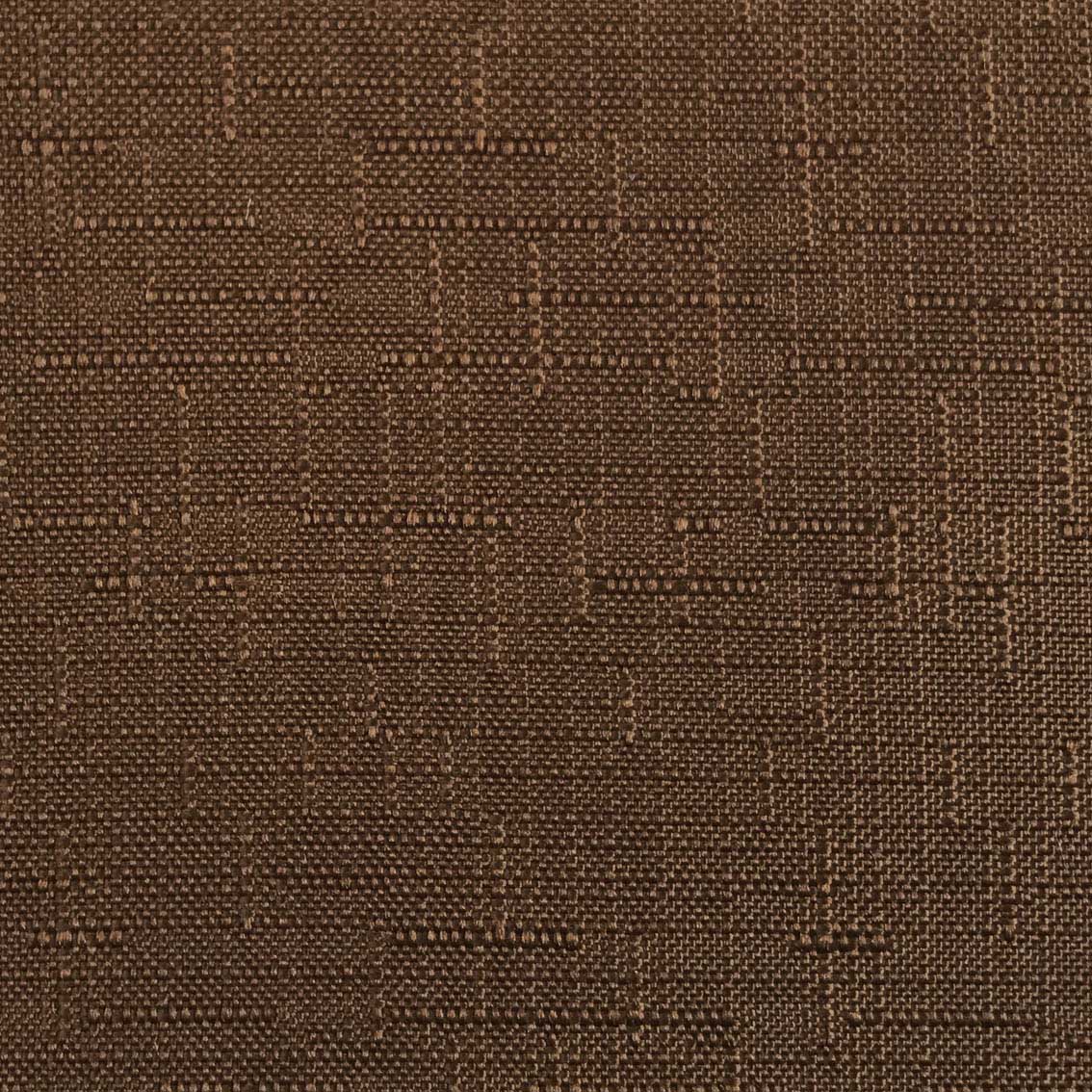

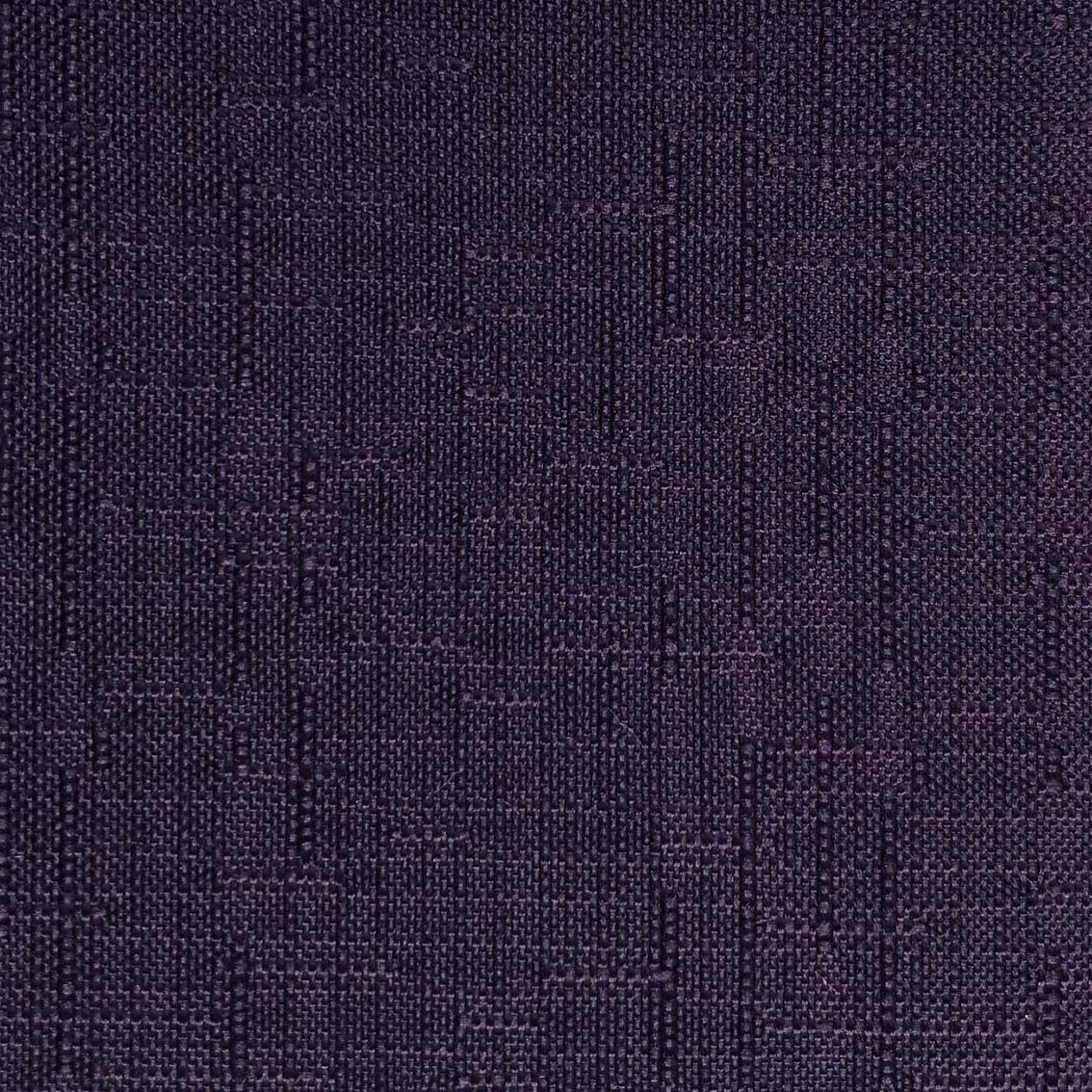
Mojave
Drapery and Roman Shades
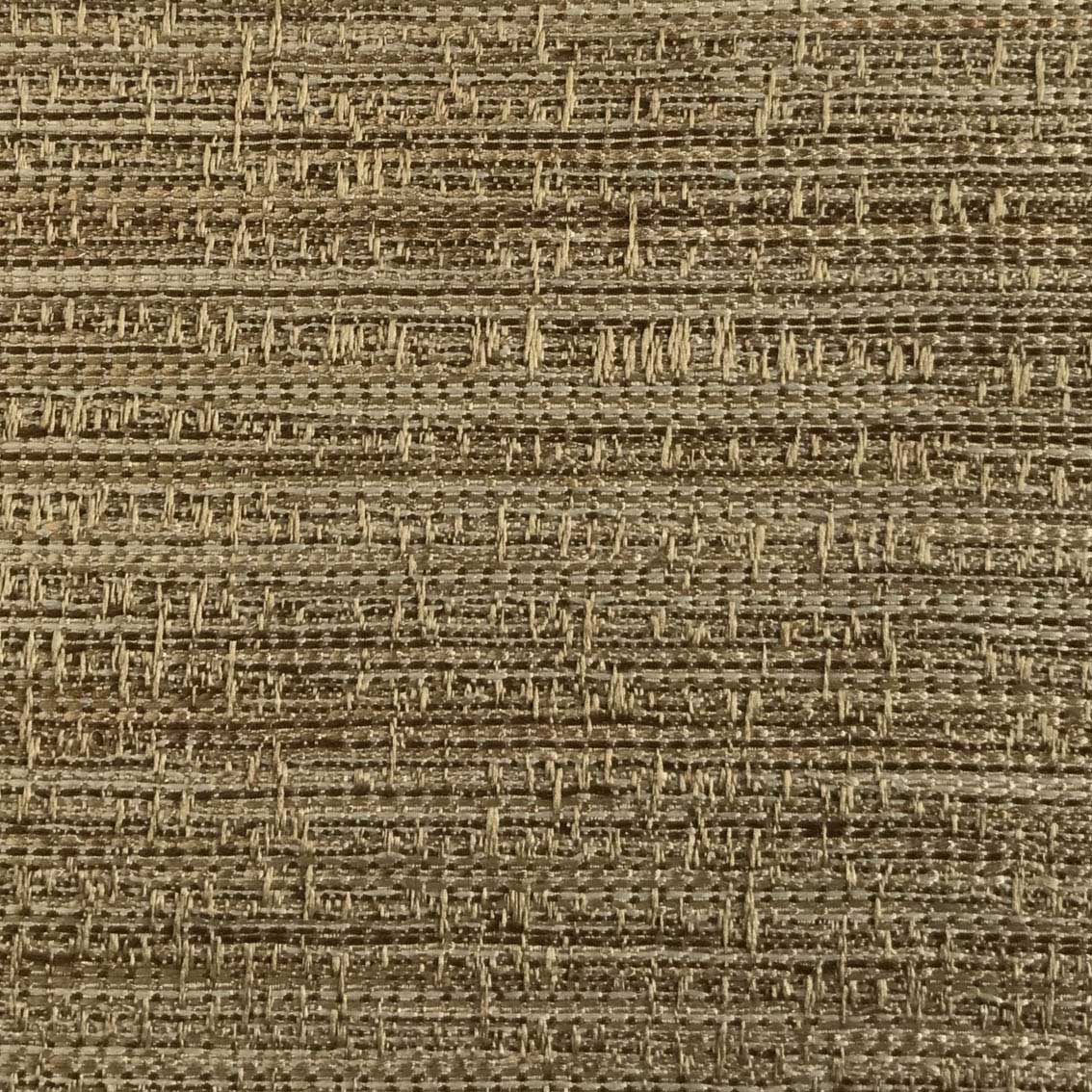
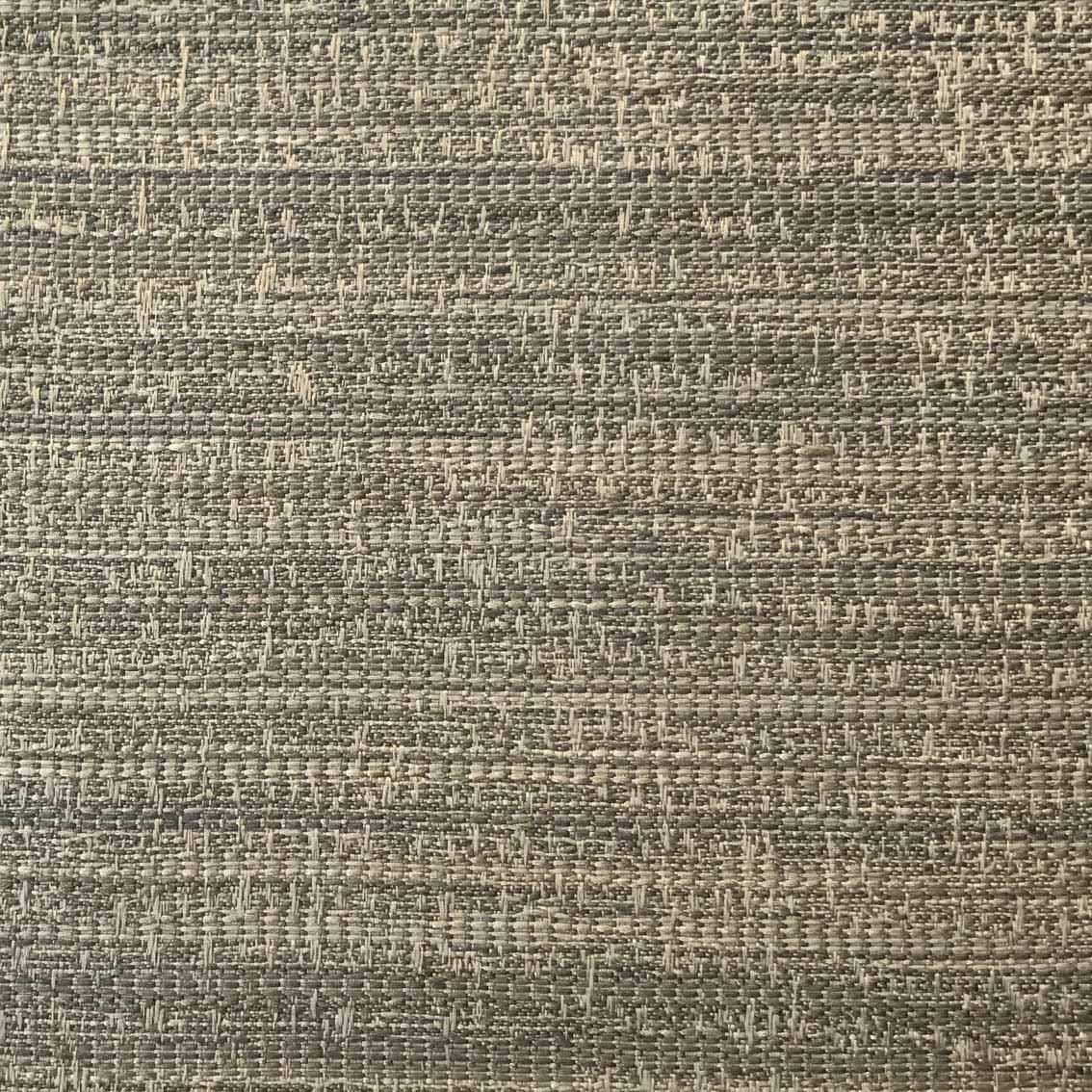
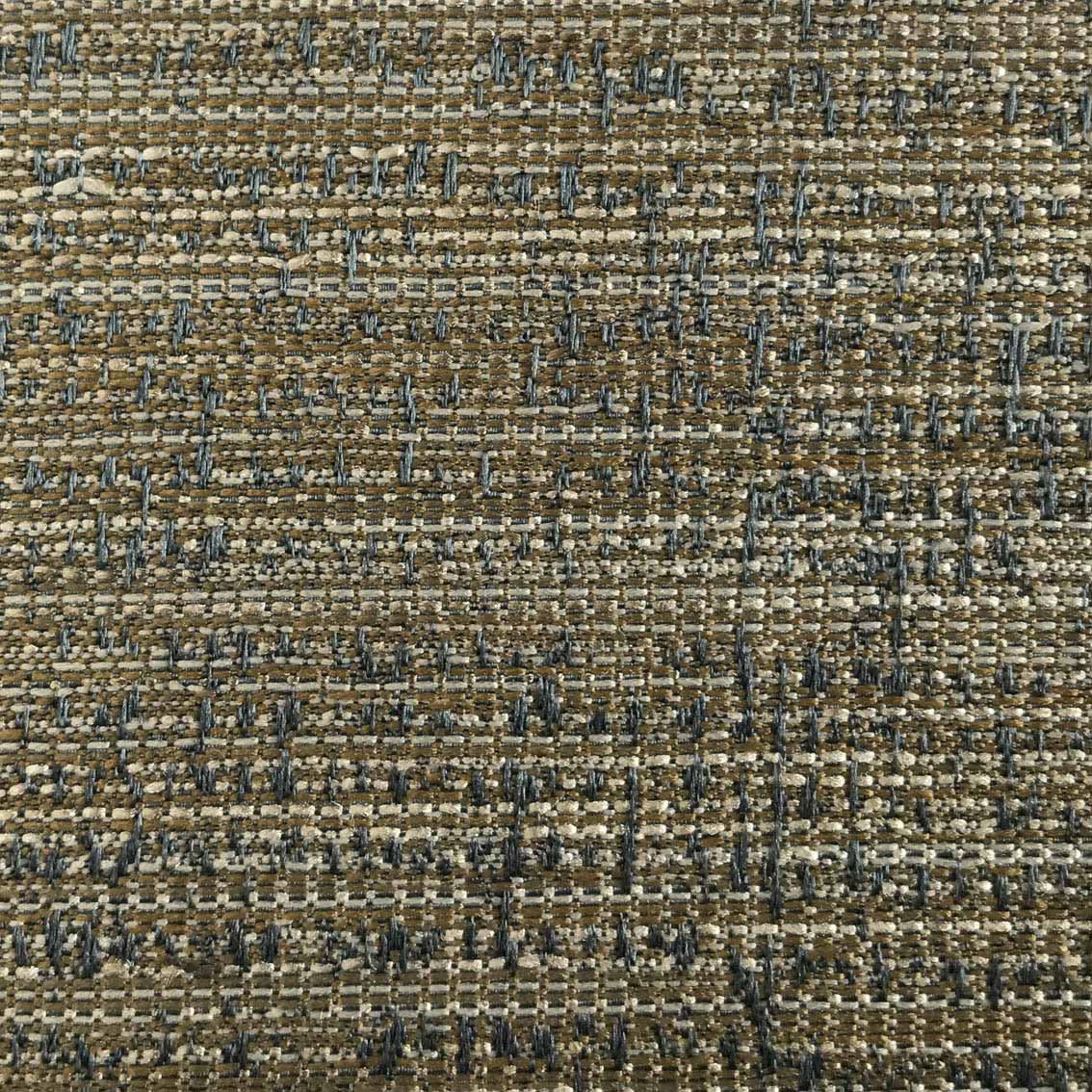
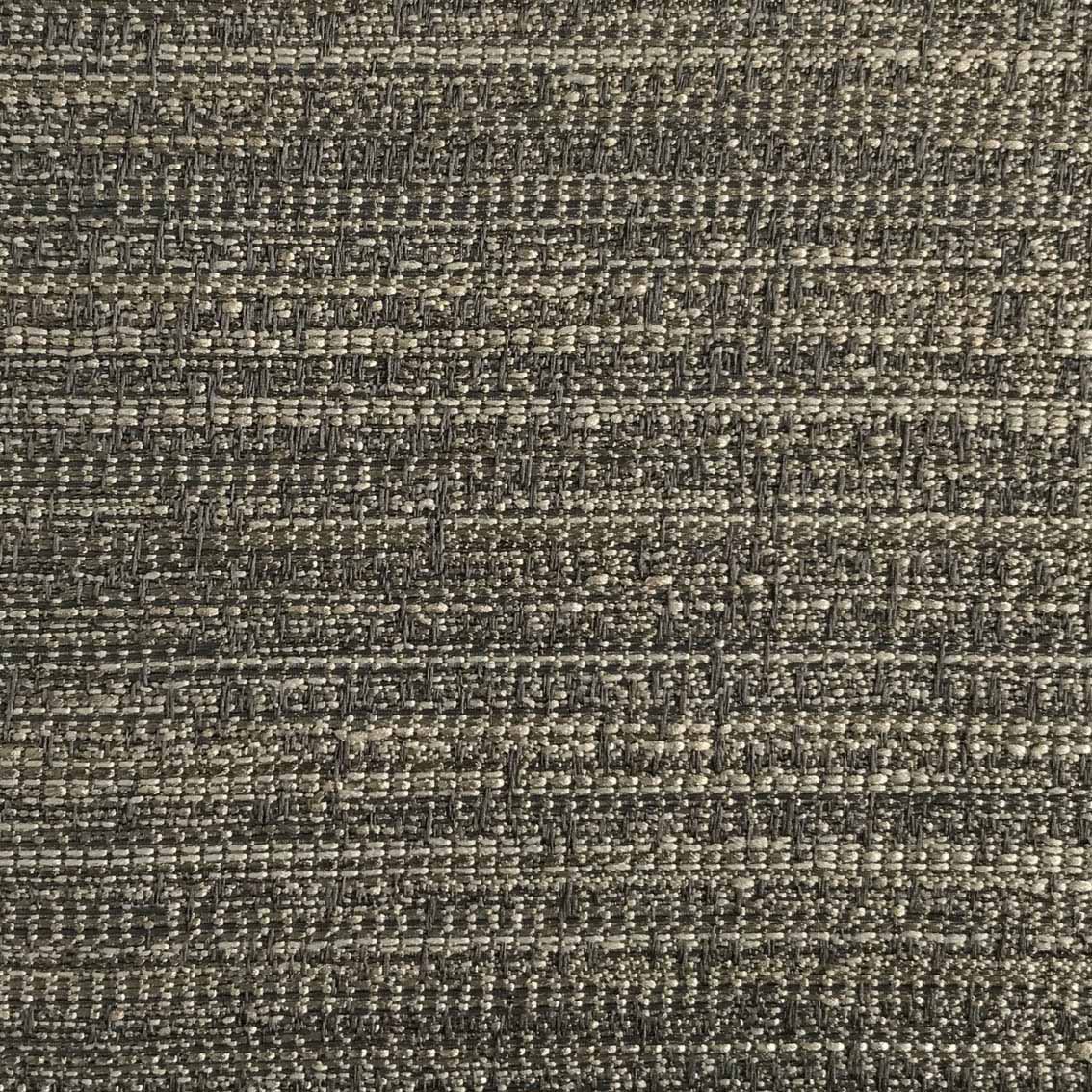
Paloma
Drapery and Roman Shades


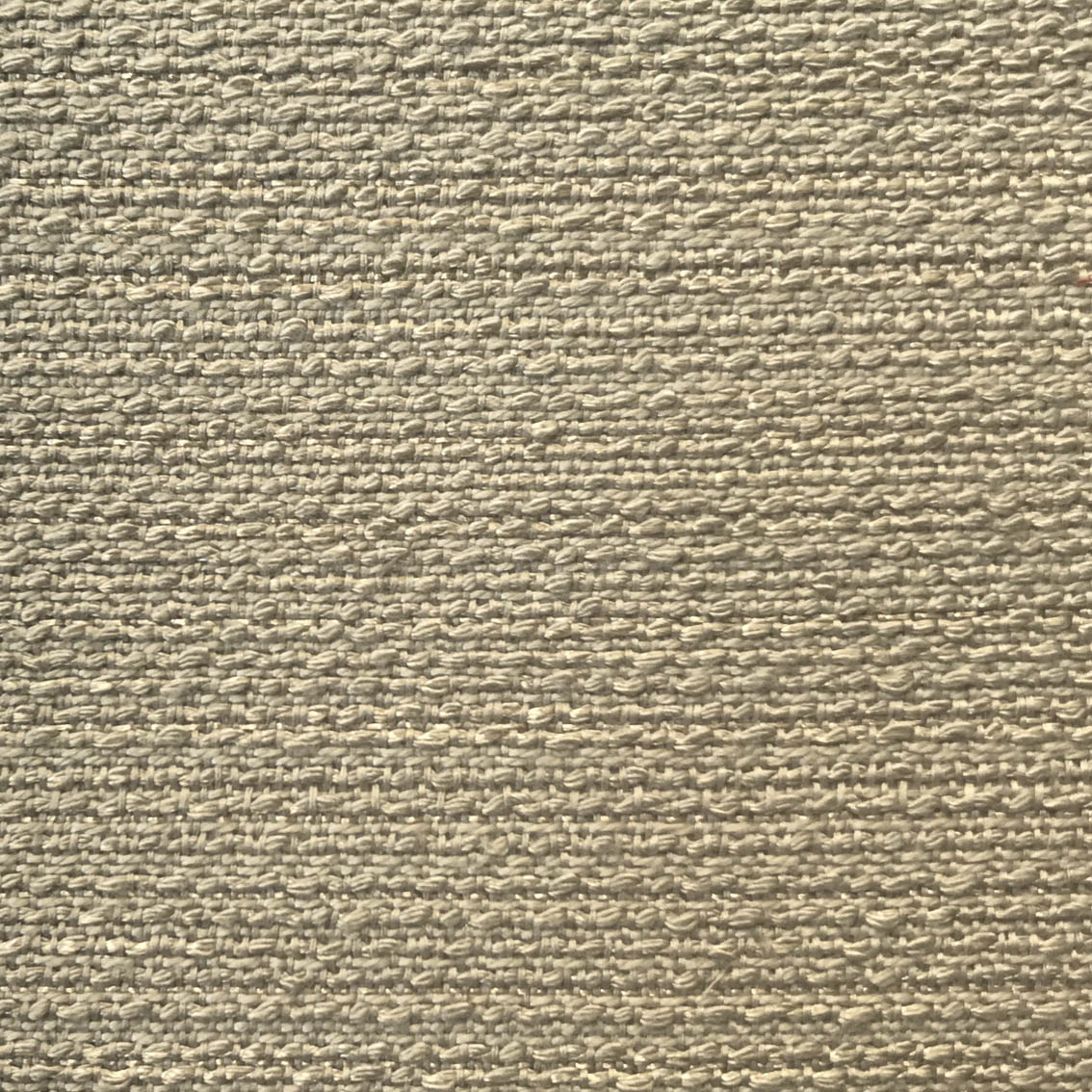
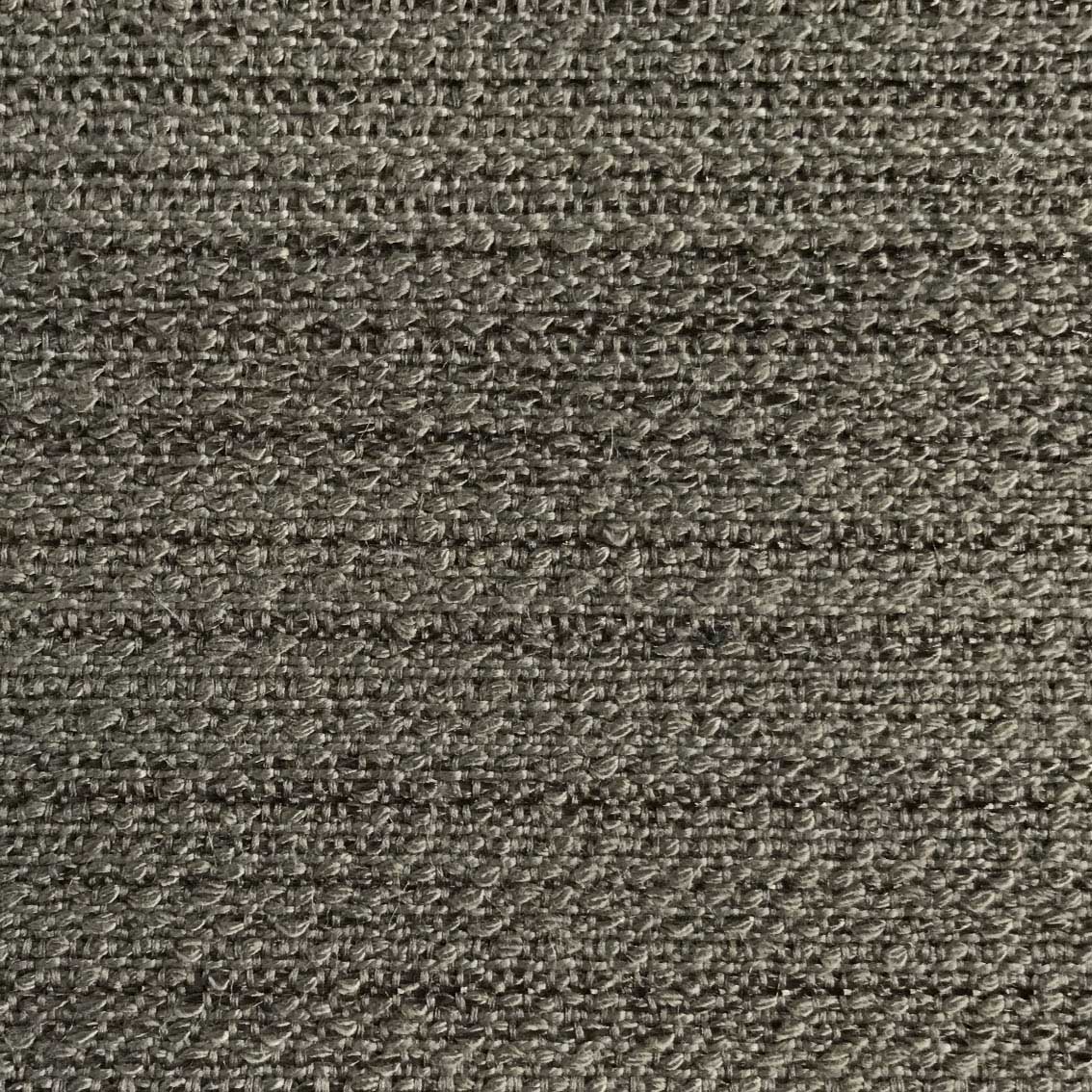
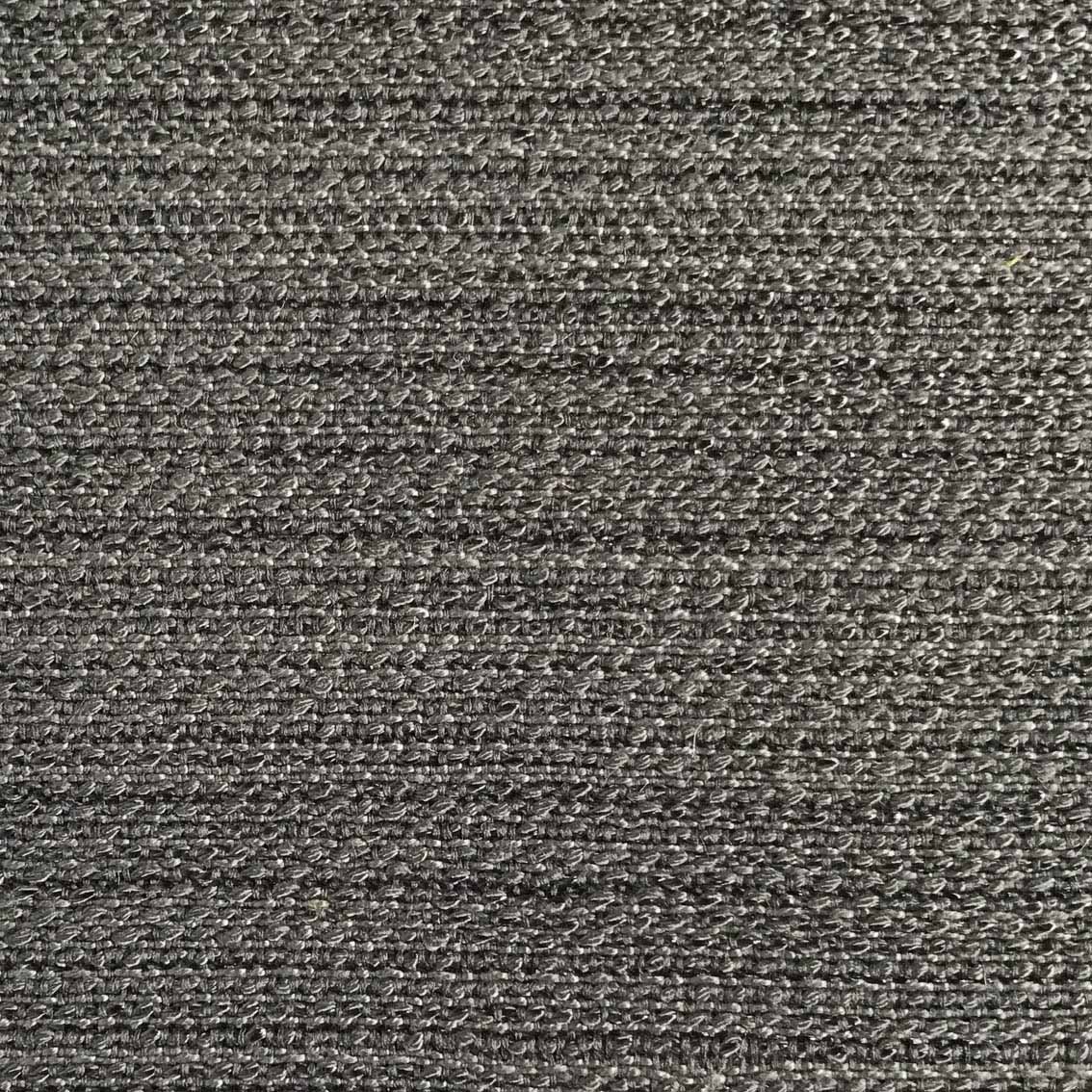
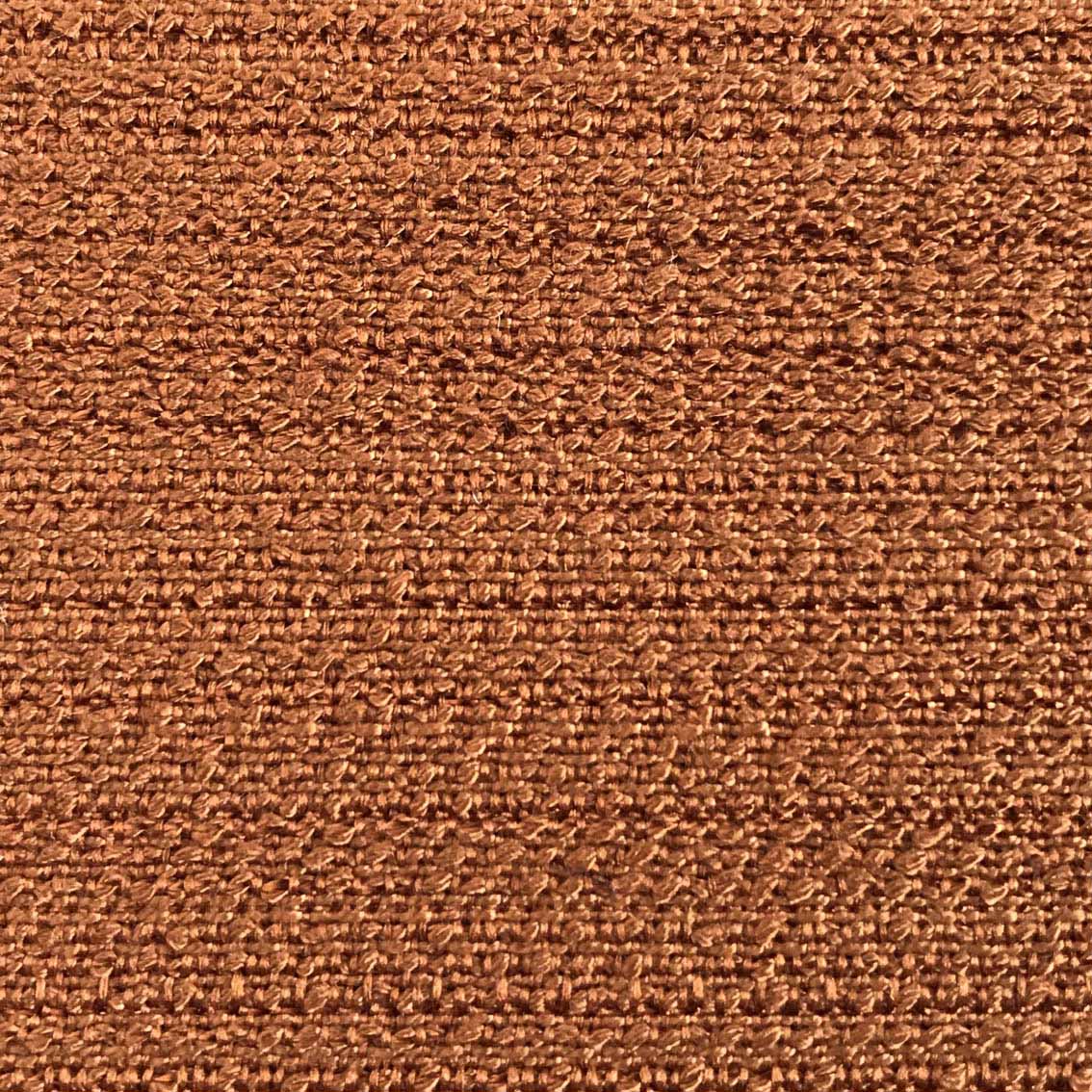
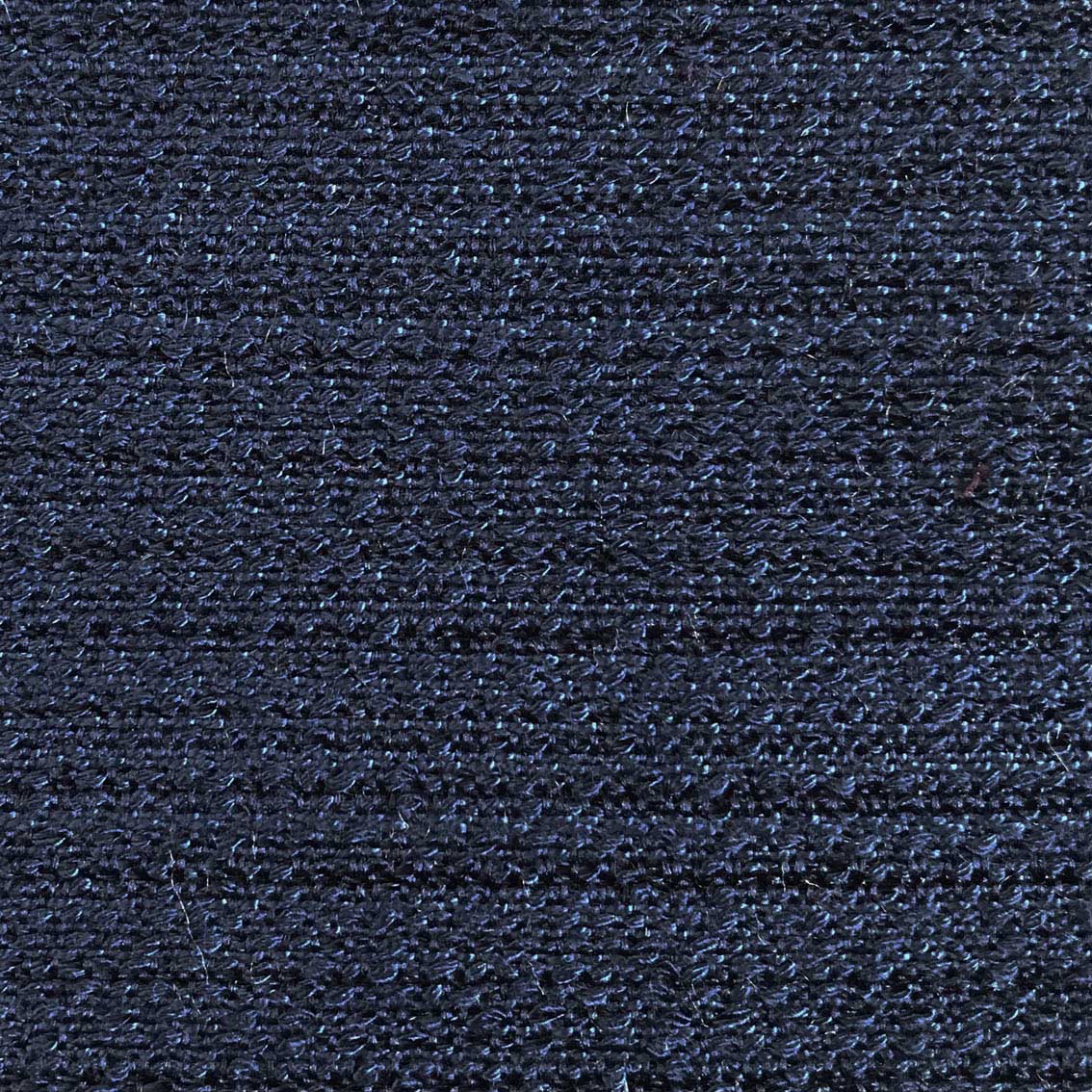
Stella
Drapery and Roman Shades




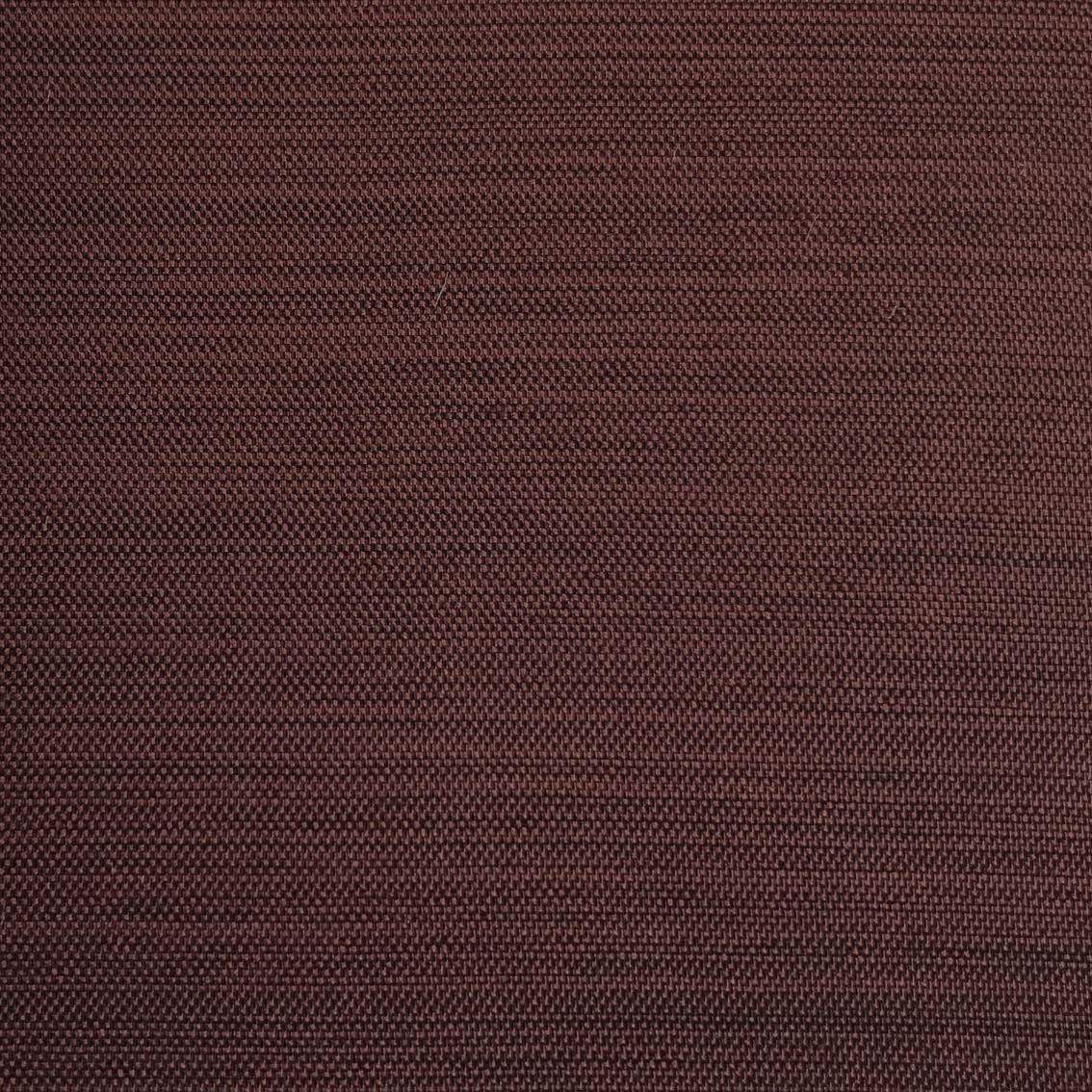
Batiste
Sheer


Oasis
Sheer

Voile
Sheer




Whisper
Sheer

Opal

Whisper
Opal

Biscotti
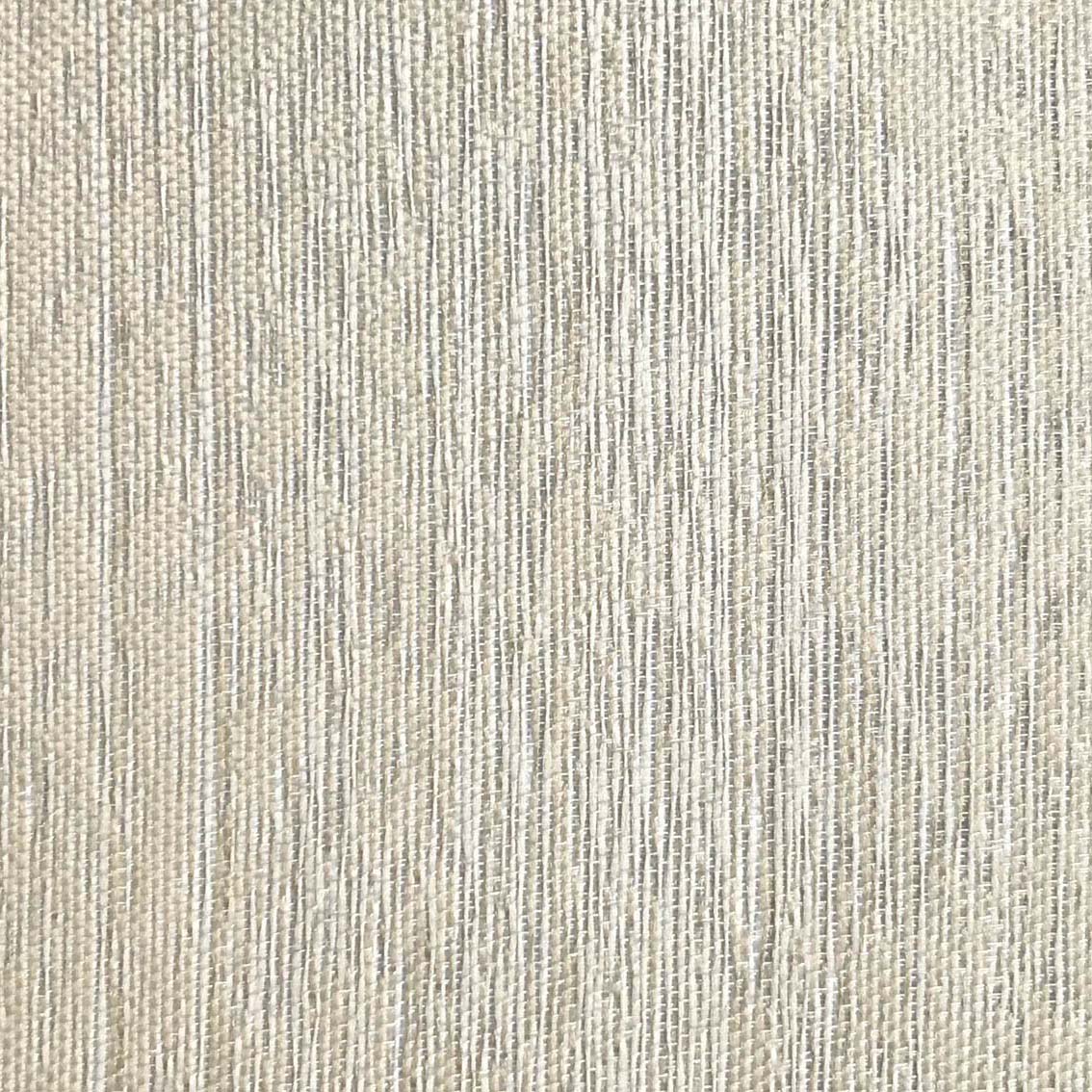
Whisper
Biscotti
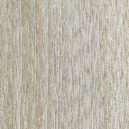
Buttermilk
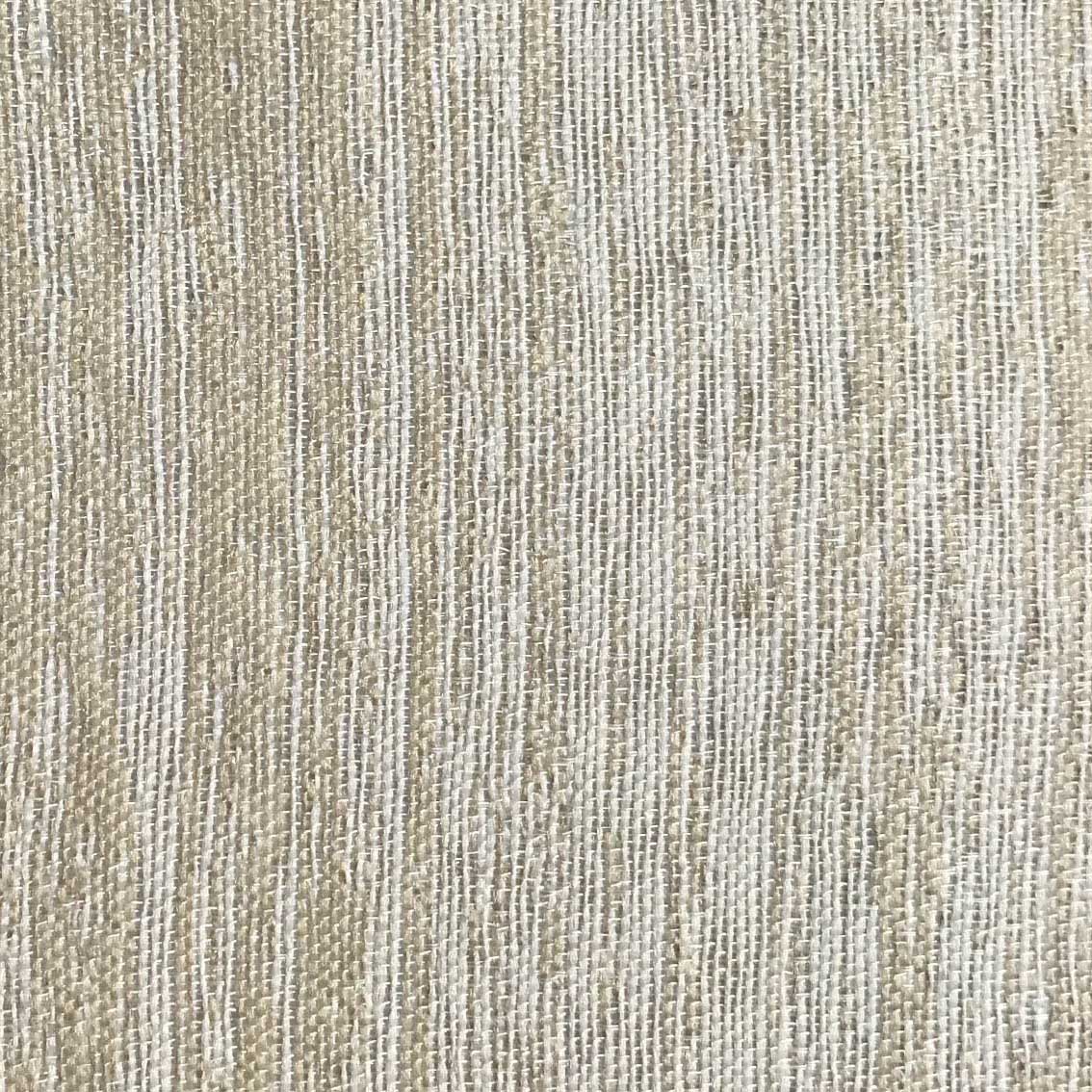
Whisper
Buttermilk
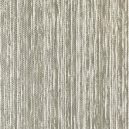
Misty Grey
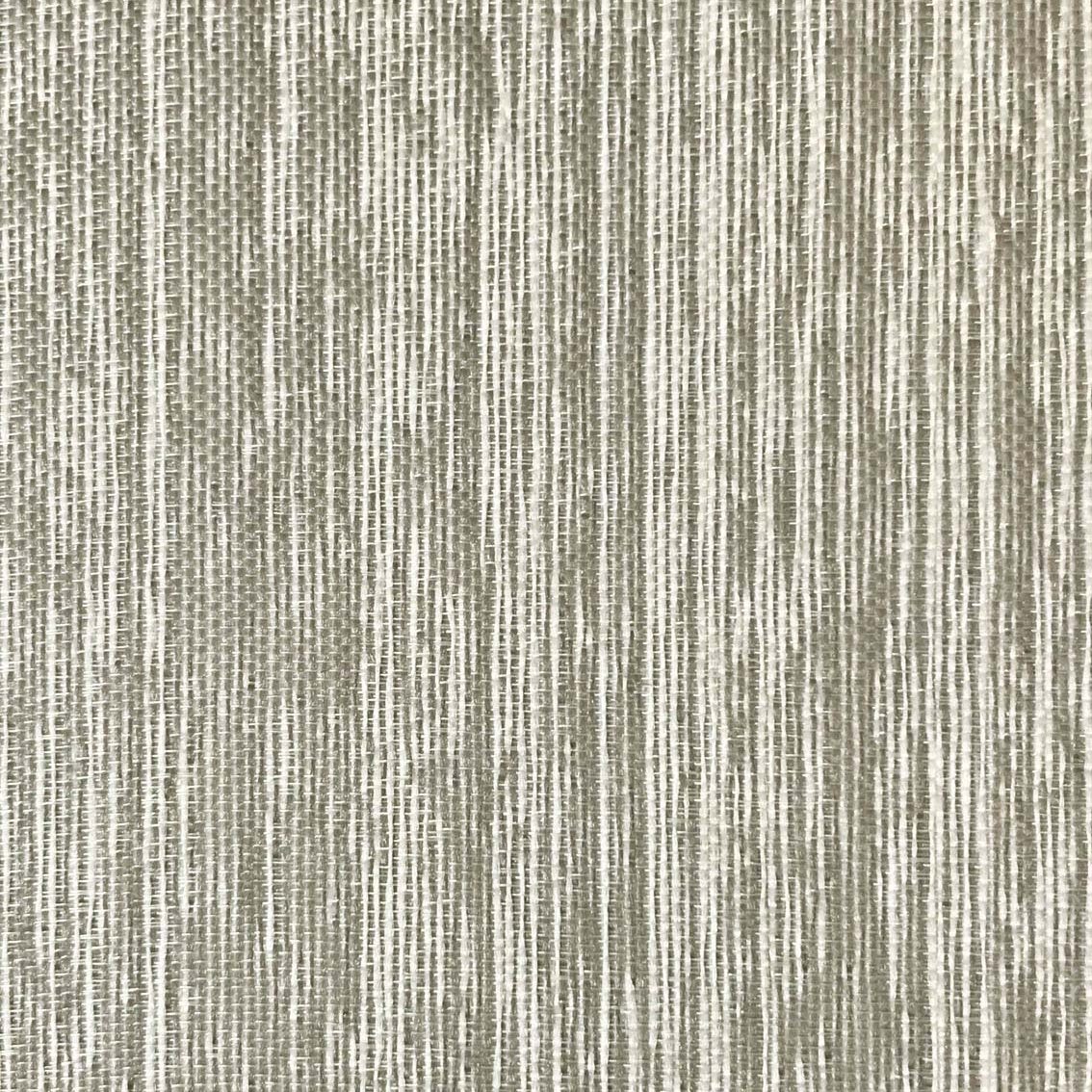
Whisper
Misty Grey